 By admin
 Unveiling the Dynamics of Mosquito Distribution: A Comprehensive Look at the US Mosquito Map
Related Articles: Unveiling the Dynamics of Mosquito Distribution: A Comprehensive Look at the US Mosquito Map
Introduction
With great pleasure, we will explore the intriguing topic related to Unveiling the Dynamics of Mosquito Distribution: A Comprehensive Look at the US Mosquito Map. Let’s weave interesting information and offer fresh perspectives to the readers.
Table of Content
Unveiling the Dynamics of Mosquito Distribution: A Comprehensive Look at the US Mosquito Map

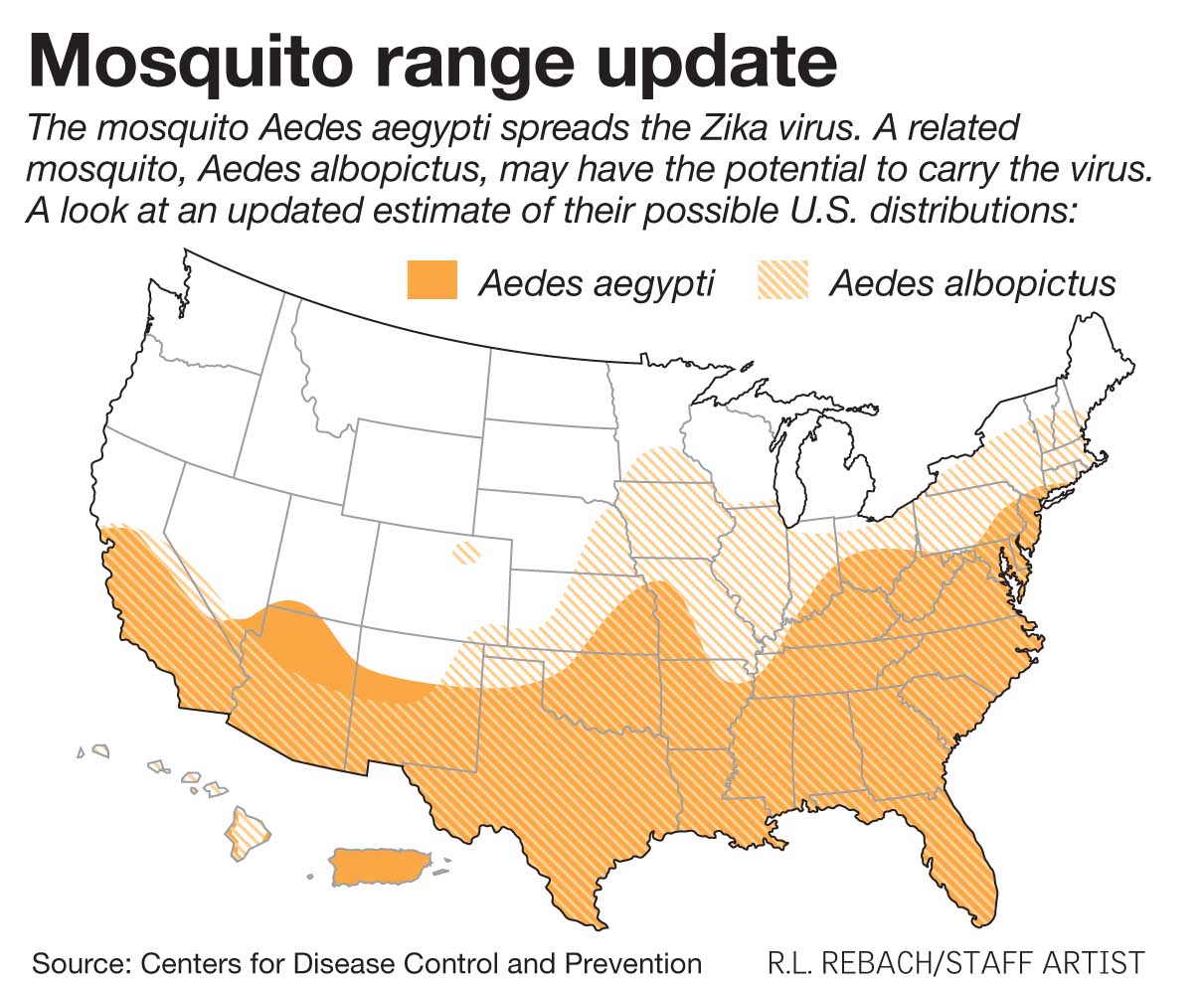
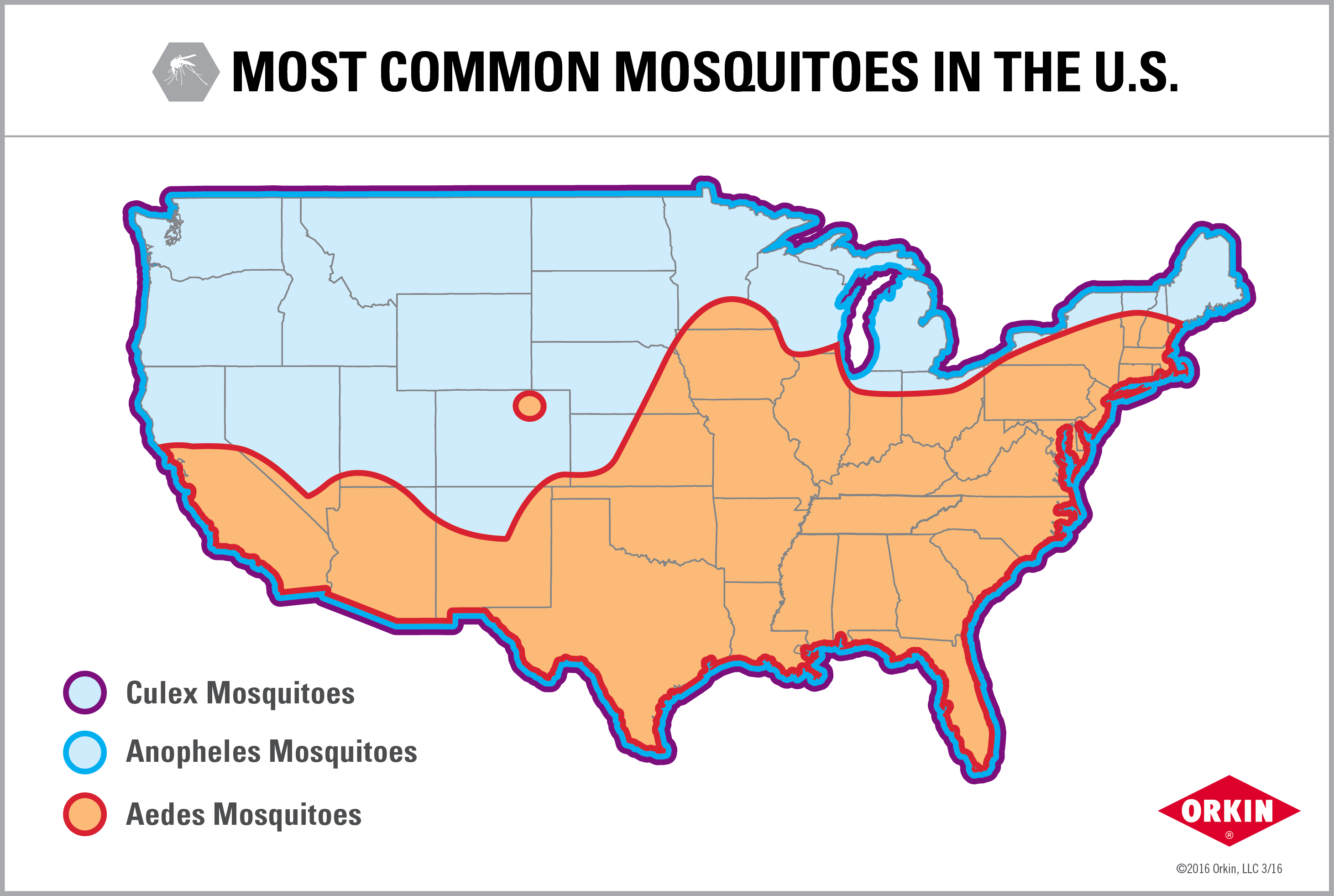
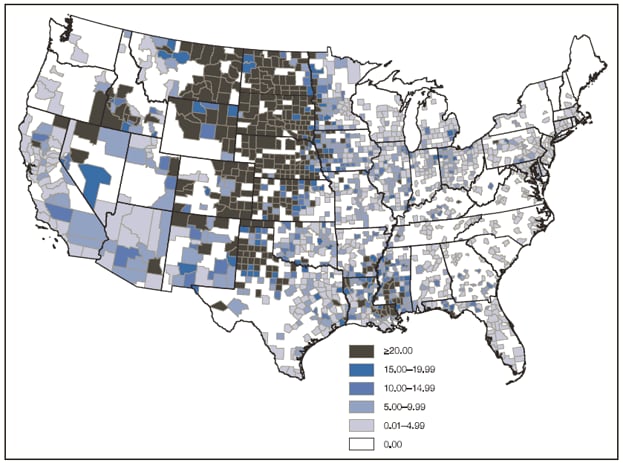
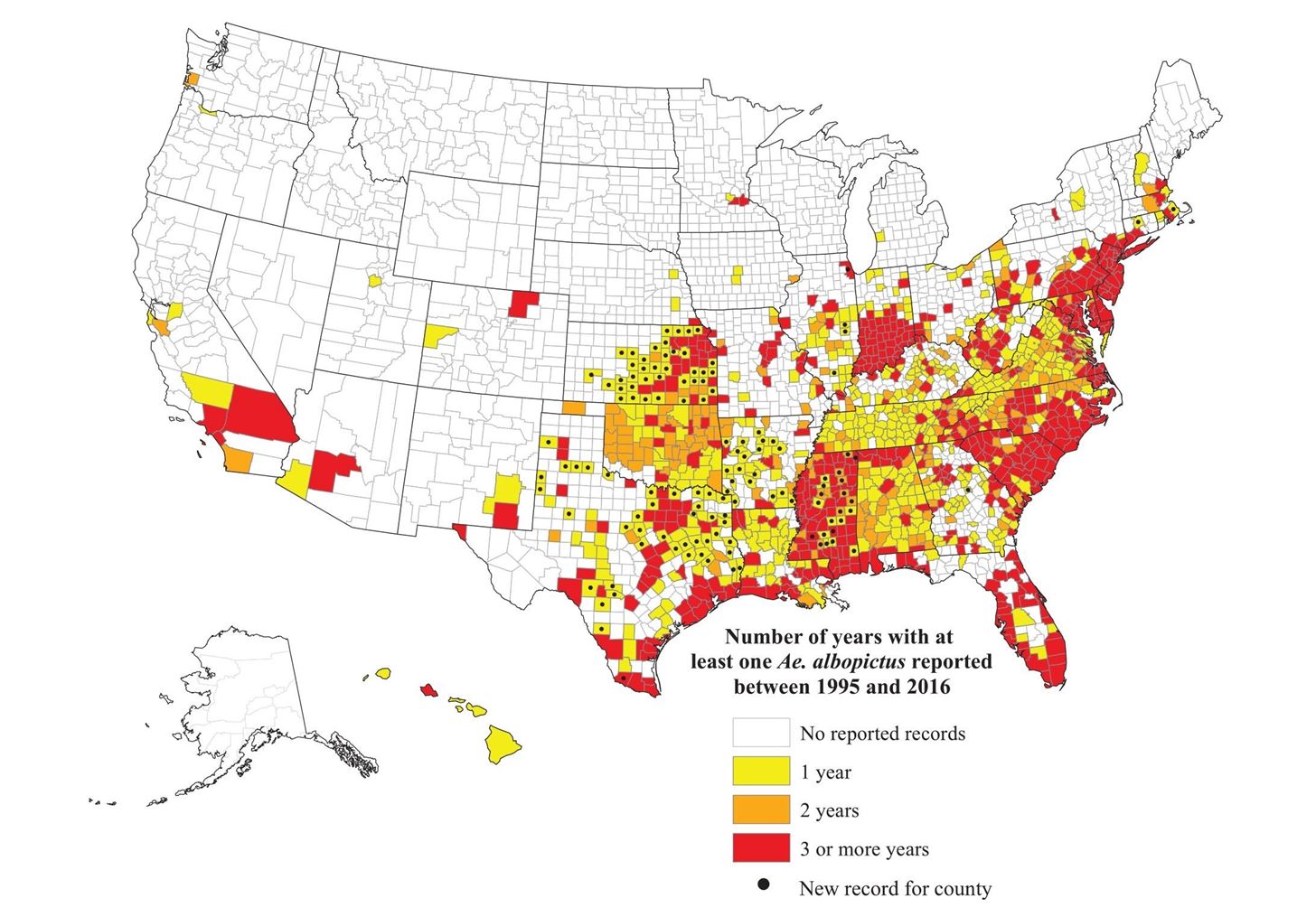
The United States, with its diverse landscapes and climates, provides a haven for a multitude of mosquito species. Understanding the distribution and prevalence of these insects is crucial for public health, as they act as vectors for a range of debilitating diseases. The US Mosquito Map, a valuable resource, provides a comprehensive overview of mosquito populations across the country, offering insights into their geographical distribution, seasonal patterns, and the diseases they carry.
Mapping Mosquitoes: A Vital Tool for Public Health
The US Mosquito Map, often referred to as a "mosquito surveillance map," is a dynamic tool that leverages data collected from various sources to create a real-time picture of mosquito activity. These sources include:
- Citizen Science Initiatives: Citizen science programs empower the public to contribute valuable data by reporting mosquito sightings and potential breeding sites. This crowdsourced information enhances the accuracy and comprehensiveness of the map.
- Government Agencies: Federal and state agencies, such as the Centers for Disease Control and Prevention (CDC) and state health departments, routinely collect mosquito samples and monitor disease outbreaks. This data forms the bedrock of the US Mosquito Map.
- University Research: Researchers across the country conduct extensive studies on mosquito ecology, behavior, and disease transmission. Their findings contribute significantly to the map’s accuracy and scientific rigor.
- Trap Data: Mosquito traps, strategically placed in various locations, capture and identify different mosquito species. This data provides insights into mosquito abundance and species diversity.
Decoding the Information: What the US Mosquito Map Reveals
The US Mosquito Map offers a wealth of information, providing valuable insights into mosquito populations and their potential health implications:
- Geographic Distribution: The map reveals the geographical spread of different mosquito species across the country, highlighting areas with high densities and potential disease risks.
- Seasonal Trends: Mosquito activity is influenced by seasonal changes, with populations peaking during specific times of the year. The map tracks these seasonal fluctuations, enabling proactive measures to be taken during peak periods.
- Disease Transmission: The map identifies areas where mosquitoes are known to carry specific diseases, such as West Nile Virus, Zika Virus, and Malaria. This information empowers public health officials to prioritize prevention and control efforts in vulnerable regions.
- Species Diversity: The map showcases the diversity of mosquito species present in different regions, allowing researchers to study their ecological roles and potential impacts on human health.
- Environmental Factors: The map incorporates data on environmental factors, such as temperature, humidity, and rainfall, which influence mosquito breeding and population growth. This data helps predict mosquito activity and identify potential breeding grounds.
Benefits of the US Mosquito Map: Empowering Public Health and Research
The US Mosquito Map serves as a crucial tool for various stakeholders, contributing significantly to public health and scientific research:
- Public Health Officials: The map provides valuable information to public health agencies, allowing them to prioritize disease prevention and control efforts in areas with high mosquito activity. It enables targeted interventions, such as mosquito control programs and public health campaigns, to mitigate the risks of mosquito-borne diseases.
- Researchers: The map serves as a valuable resource for researchers studying mosquito ecology, behavior, and disease transmission. It provides a framework for understanding the factors influencing mosquito populations and allows for the development of effective control strategies.
- Community Members: The map empowers individuals to be aware of mosquito activity in their area, enabling them to take proactive measures to protect themselves and their families from mosquito bites. This includes using mosquito repellent, covering exposed skin, and eliminating breeding sites.
Frequently Asked Questions (FAQs)
1. How accurate is the US Mosquito Map?
The accuracy of the US Mosquito Map depends on the quality and quantity of data collected from various sources. While efforts are made to ensure the map’s reliability, it’s essential to remember that it’s a dynamic tool constantly being updated with new information.
2. How often is the US Mosquito Map updated?
The map is updated regularly, with the frequency varying depending on the source of data. Some data, such as citizen science reports, are updated daily, while others, like government agency data, are updated weekly or monthly.
3. Can I contribute to the US Mosquito Map?
Yes, you can contribute to the map by reporting mosquito sightings and potential breeding sites through citizen science programs. These programs often have online platforms or mobile apps where you can submit your observations.
4. How can I use the US Mosquito Map to protect myself from mosquitoes?
The map can help you identify areas with high mosquito activity, enabling you to take proactive measures to protect yourself. This includes using mosquito repellent, wearing protective clothing, and avoiding areas with standing water, which are potential breeding grounds.
5. What diseases are mosquitoes known to transmit in the US?
Mosquitoes in the US can transmit a range of diseases, including West Nile Virus, Zika Virus, Dengue Fever, Chikungunya Virus, and Malaria. The map can help you identify areas where these diseases are prevalent.
Tips for Using the US Mosquito Map Effectively
- Check the map regularly: Monitor mosquito activity in your area and adjust your preventive measures accordingly.
- Use the map in conjunction with other resources: Combine the map with local news reports, weather forecasts, and public health advisories for a comprehensive understanding of mosquito activity.
- Report mosquito sightings: Contribute to the map by reporting any unusual mosquito activity or potential breeding sites.
- Stay informed about mosquito-borne diseases: Learn about the symptoms, prevention, and treatment of diseases transmitted by mosquitoes.
Conclusion
The US Mosquito Map serves as a powerful tool for understanding the dynamics of mosquito populations across the country. It provides valuable insights into their distribution, seasonal trends, and the diseases they carry, enabling public health officials, researchers, and individuals to take informed action to protect themselves and their communities from the risks of mosquito-borne diseases. By leveraging the information provided by the map, we can work together to mitigate the impact of these insects and create a healthier environment for all.


Closure
Thus, we hope this article has provided valuable insights into Unveiling the Dynamics of Mosquito Distribution: A Comprehensive Look at the US Mosquito Map. We thank you for taking the time to read this article. See you in our next article!