 By admin
 Unlocking the Power of Visualization: Creating Concept Maps in Microsoft Word
Related Articles: Unlocking the Power of Visualization: Creating Concept Maps in Microsoft Word
Introduction
In this auspicious occasion, we are delighted to delve into the intriguing topic related to Unlocking the Power of Visualization: Creating Concept Maps in Microsoft Word. Let’s weave interesting information and offer fresh perspectives to the readers.
Table of Content
Unlocking the Power of Visualization: Creating Concept Maps in Microsoft Word
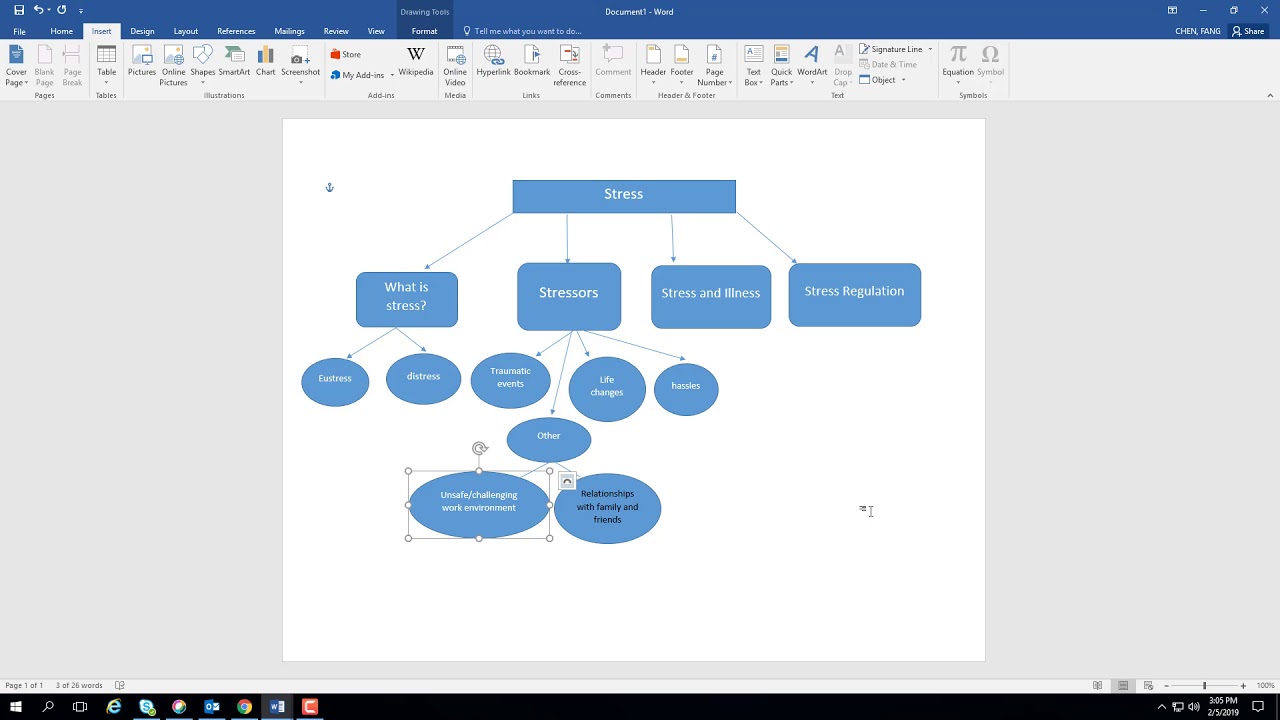
Concept maps are powerful visual tools for organizing information, fostering understanding, and promoting critical thinking. While various software applications cater to concept mapping, Microsoft Word, a readily available tool, offers a surprisingly effective platform for crafting these visual representations. This article delves into the process of creating concept maps in Word, emphasizing its benefits and providing a comprehensive guide for effective implementation.
Understanding the Concept Map’s Purpose
Before diving into the technicalities of creating a concept map in Word, it’s crucial to grasp the concept’s essence. A concept map, at its core, is a diagram that visually connects concepts through nodes and links. Each node represents a concept, idea, or term, while the links depict the relationships between them. This visual structure facilitates the understanding of complex information by revealing connections and hierarchies.
Benefits of Utilizing Concept Maps
The use of concept maps transcends mere visual representation. They offer numerous benefits:
- Improved Comprehension: By visually organizing information, concept maps enhance understanding and recall. The interconnectedness of concepts fosters deeper cognitive processing, aiding in knowledge retention.
- Enhanced Critical Thinking: The process of creating a concept map encourages critical analysis. It compels users to identify key concepts, establish relationships, and prioritize information, promoting a deeper understanding of the subject matter.
- Effective Communication: Concept maps serve as powerful communication tools. Their visual nature simplifies complex information, making it accessible to a wider audience. They are particularly useful for presenting research findings, explaining complex processes, or facilitating collaborative learning.
- Problem-Solving and Decision-Making: Concept maps are valuable for tackling complex problems and making informed decisions. By visualizing the relationships between variables, they aid in identifying potential solutions and evaluating their feasibility.
- Creativity and Innovation: The act of creating a concept map stimulates creative thinking. By exploring different connections and hierarchies, users can generate new ideas and foster innovation.
Creating a Concept Map in Word: A Step-by-Step Guide
While Word’s inherent features may not offer dedicated concept mapping tools, its versatility allows for effective creation through a combination of features:
1. Planning and Preparation:
- Define the Topic: Begin by clearly identifying the central theme or topic of your concept map. This will serve as the foundation for your visual representation.
- Identify Key Concepts: Brainstorm and list the key concepts, ideas, or terms related to your topic.
- Establish Relationships: Analyze the relationships between your identified concepts. Determine how they connect, whether through cause and effect, classification, or other forms of association.
2. Implementing the Map in Word:
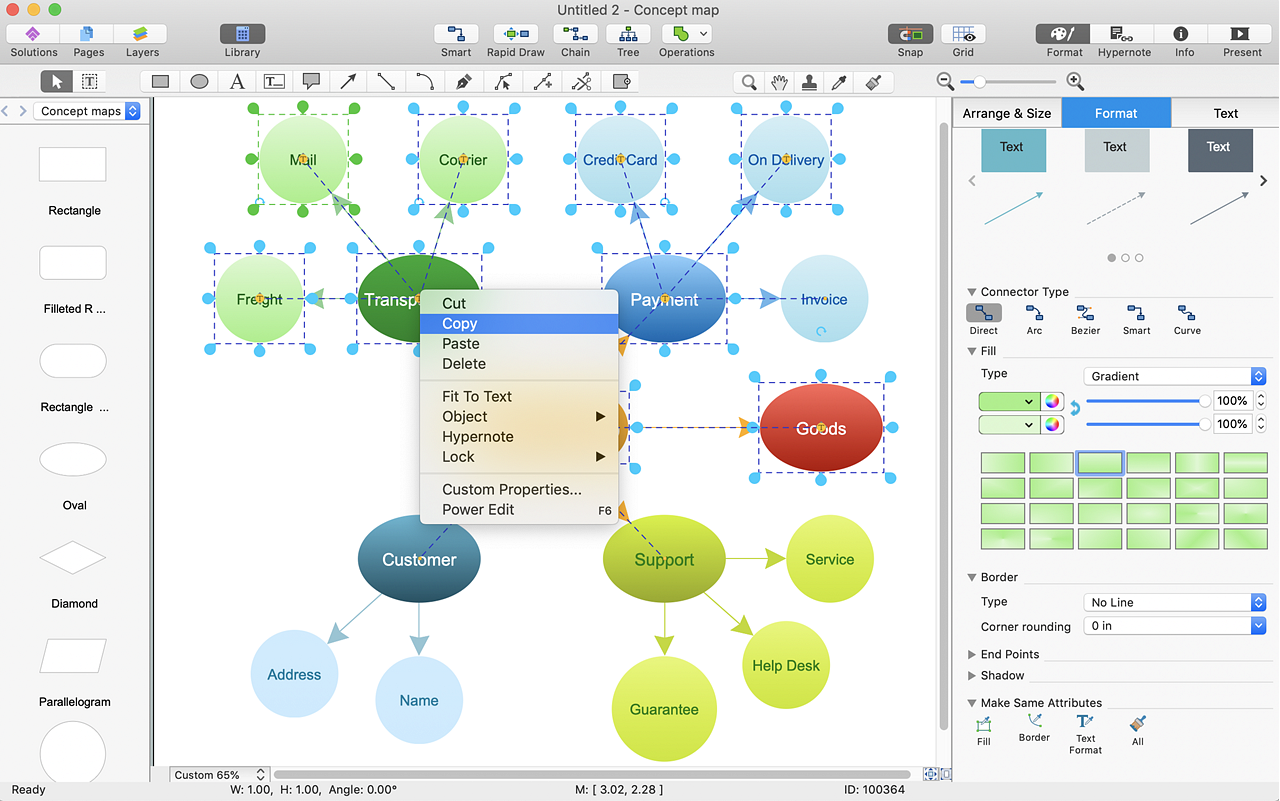
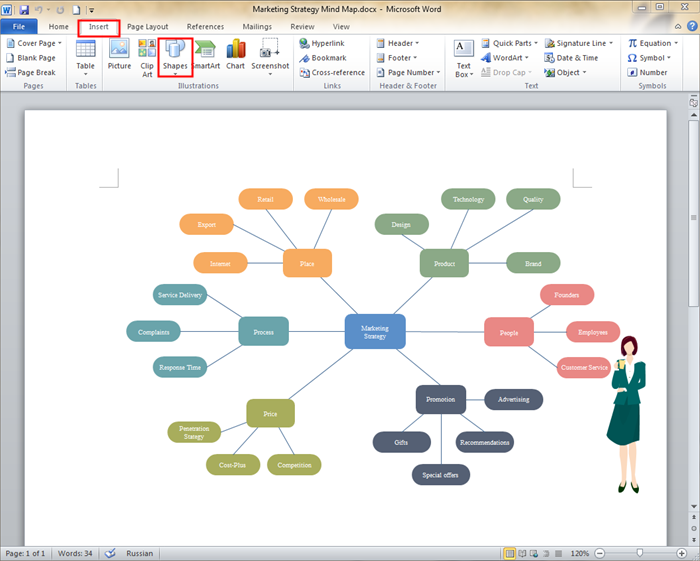
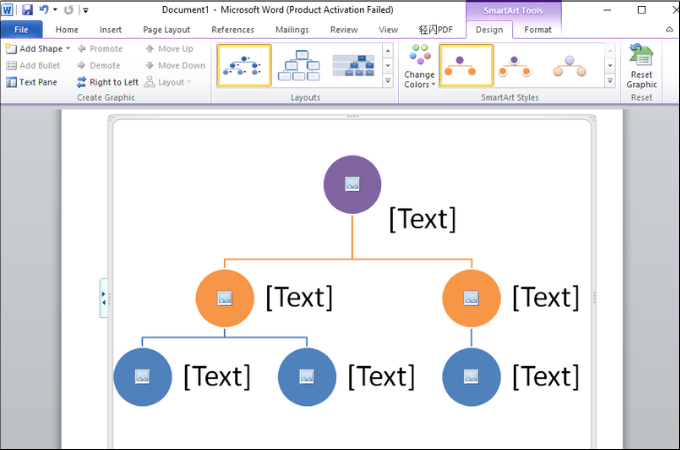
- Using SmartArt: Word’s SmartArt feature offers a range of pre-designed diagrams, including hierarchical structures that are well-suited for concept maps. Select a suitable SmartArt graphic, and customize its layout and text boxes to represent your concepts.
- Drawing Shapes and Connectors: Alternatively, utilize Word’s drawing tools to create custom shapes and connectors. Draw rectangles, circles, or other shapes to represent concepts. Use lines or arrows to connect them, indicating the relationships between them.
- Text Boxes and Formatting: Employ text boxes to insert your concepts within the shapes. Customize the font size, style, and color to enhance readability and visual appeal.
3. Enhancing the Visual Impact:
- Color Coding: Utilize different colors to categorize or highlight key concepts. This can aid in visual differentiation and improve clarity.
- Images and Icons: Incorporate relevant images or icons to enhance visual interest and reinforce understanding.
- Hierarchy and Layout: Arrange your concepts in a hierarchical structure, with the main topic at the top and sub-concepts branching out. This promotes a clear visual flow.
4. Refining and Finalizing:
- Review and Edit: Carefully review your concept map for accuracy, clarity, and visual coherence. Ensure that all concepts are represented accurately and their relationships are clearly depicted.
- Sharing and Collaboration: Once finalized, save your concept map in a suitable format for sharing or collaboration. Word’s document sharing features allow for seamless collaboration with others.
FAQs: Addressing Common Queries
Q: Can I use Word for creating complex concept maps with numerous concepts and relationships?
A: While Word’s built-in features may not be ideal for extremely complex maps, you can utilize techniques like grouping shapes, using hierarchical structures, and incorporating multiple pages to manage complexity. However, for highly complex maps, specialized concept mapping software might be more suitable.
Q: What are some tips for creating an effective concept map in Word?
A:
- Keep it Concise: Focus on essential concepts and relationships. Avoid overloading the map with too much information.
- Use Clear and Concise Language: Employ simple and straightforward language to ensure clarity and avoid ambiguity.
- Maintain Visual Consistency: Choose a consistent style for your shapes, connectors, and text formatting to maintain visual coherence.
- Test for Readability: Ensure the layout and font size are appropriate for easy reading and comprehension.
Conclusion: Embracing the Power of Visualization
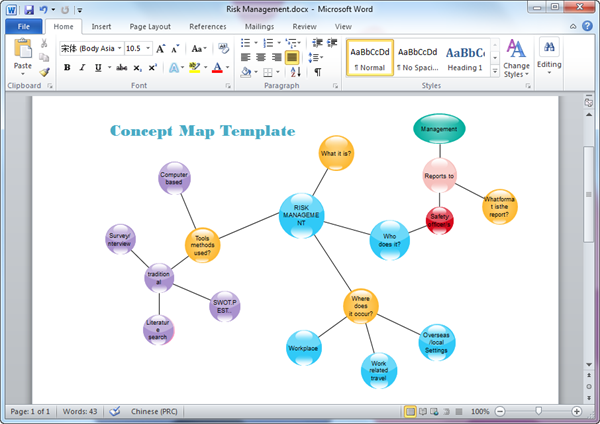
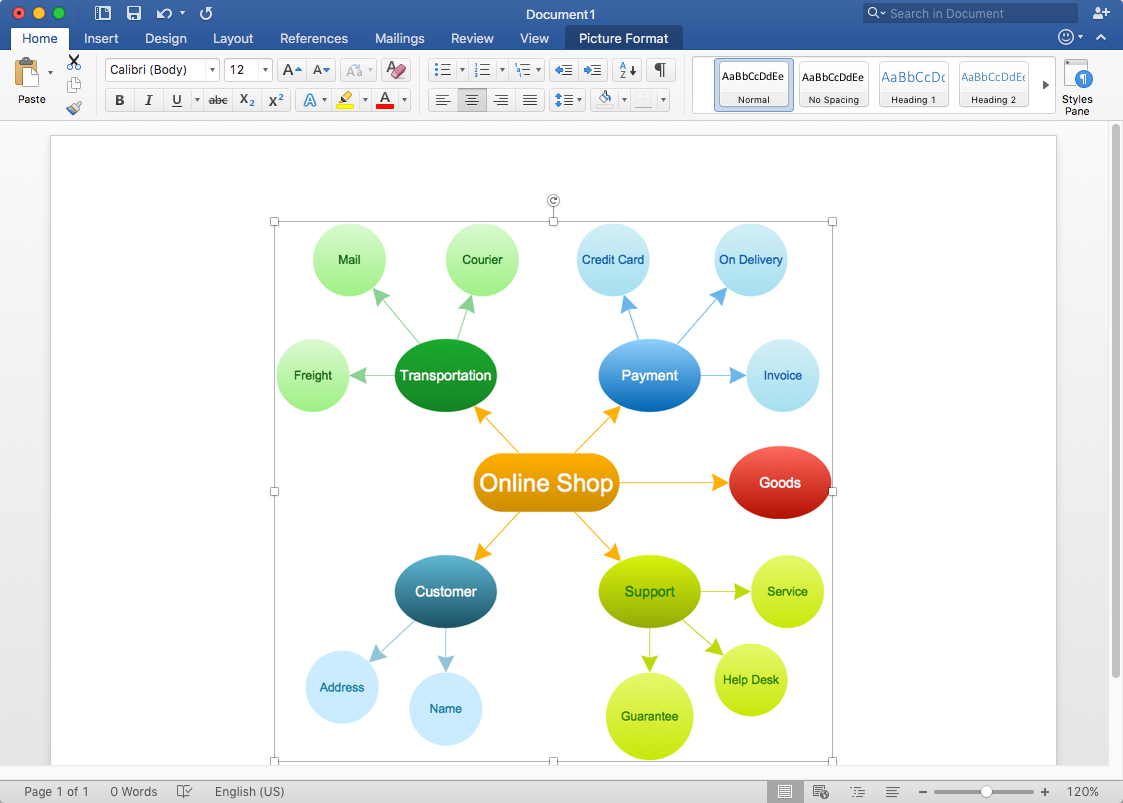
Creating concept maps in Microsoft Word empowers users to visualize information, foster understanding, and enhance critical thinking. While Word may not offer dedicated concept mapping tools, its versatility enables the creation of effective visual representations through a combination of features. By following the steps outlined in this article, users can unlock the power of visualization and leverage the benefits of concept mapping to enhance their understanding and communication.

Closure
Thus, we hope this article has provided valuable insights into Unlocking the Power of Visualization: Creating Concept Maps in Microsoft Word. We thank you for taking the time to read this article. See you in our next article!