 By admin
 Understanding the Frost-Free Zones of Florida: A Guide to Growing Success
Related Articles: Understanding the Frost-Free Zones of Florida: A Guide to Growing Success
Introduction
With great pleasure, we will explore the intriguing topic related to Understanding the Frost-Free Zones of Florida: A Guide to Growing Success. Let’s weave interesting information and offer fresh perspectives to the readers.
Table of Content
- 1 Related Articles: Understanding the Frost-Free Zones of Florida: A Guide to Growing Success
- 2 Introduction
- 3 Understanding the Frost-Free Zones of Florida: A Guide to Growing Success
- 3.1 Decoding the Frost-Free Zones
- 3.2 The Importance of Frost-Free Zones
- 3.3 Frost-Free Zone Considerations
- 3.4 Exploring the Frost-Free Zone Map of Florida
- 3.5 FAQs about Frost-Free Zones in Florida
- 3.6 Tips for Utilizing Frost-Free Zone Information
- 3.7 Conclusion
- 4 Closure
Understanding the Frost-Free Zones of Florida: A Guide to Growing Success
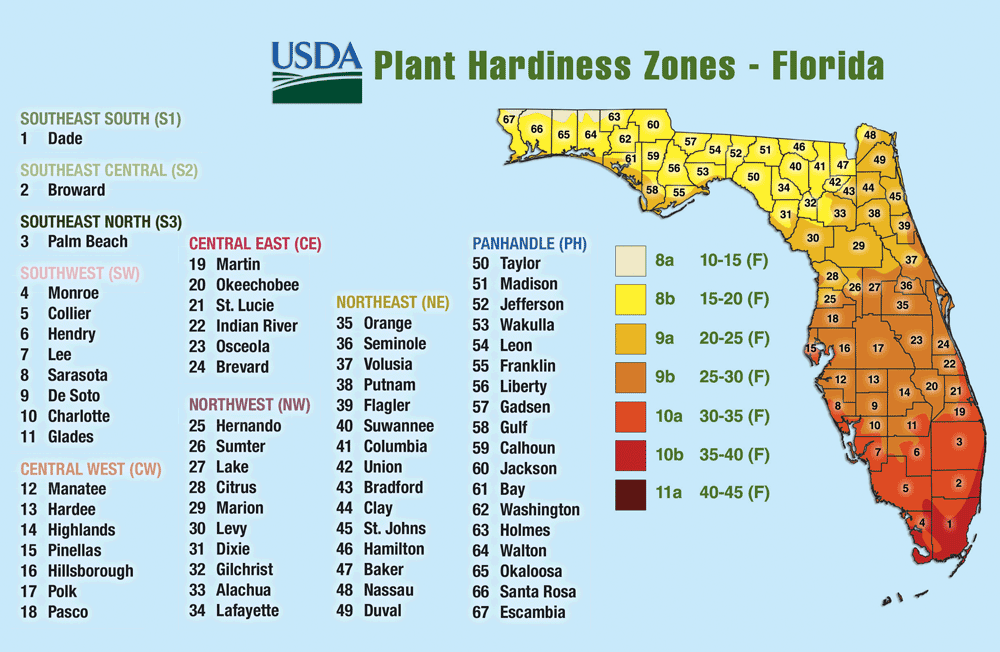
Florida, known for its warm climate and abundance of sunshine, is a haven for gardeners and agriculturalists alike. However, even within this tropical paradise, subtle variations in temperature and microclimates exist, impacting the ability to cultivate certain plants. The concept of "frost-free zones" becomes crucial in understanding these nuances and optimizing plant growth.
Decoding the Frost-Free Zones
A frost-free zone designates a geographical area with a specific range of average annual minimum temperatures. This information is vital for determining the suitability of a region for growing various plant species. Florida’s unique geography and climate result in a diverse range of frost-free zones, each with distinct growing conditions.
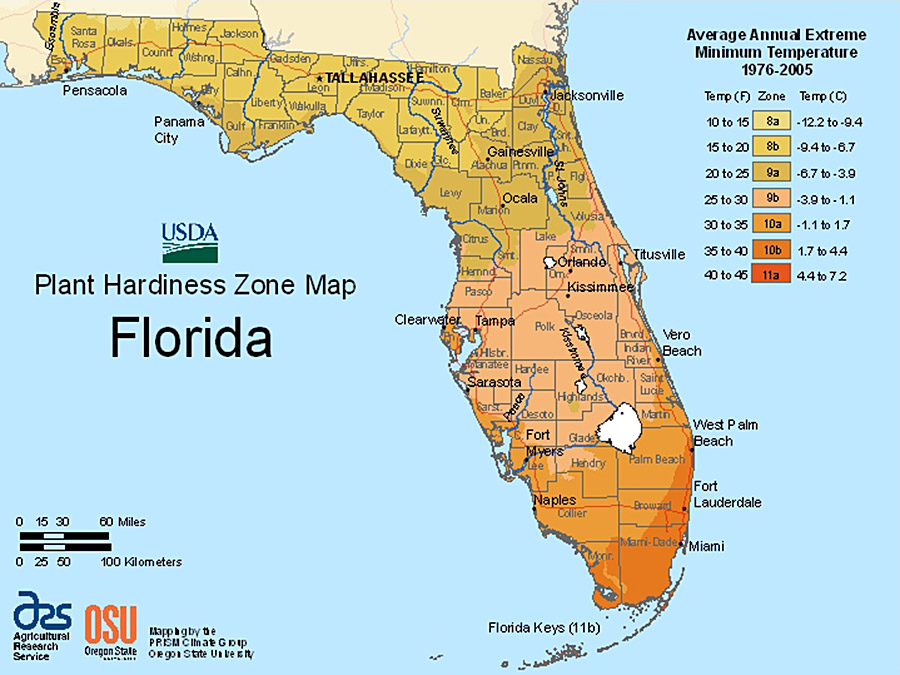
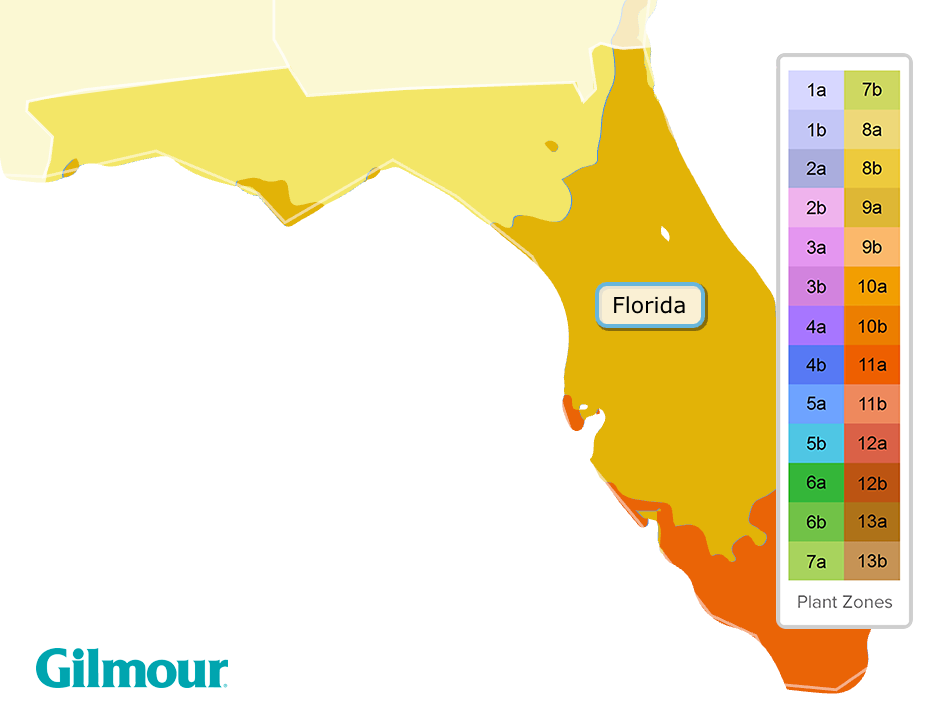
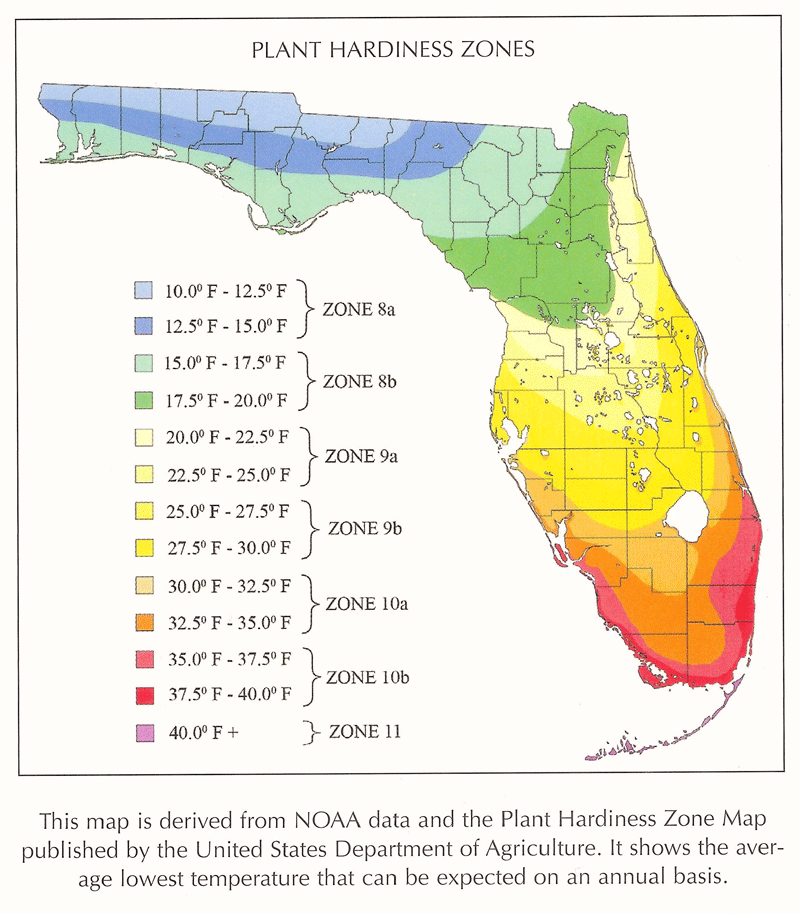
The USDA Plant Hardiness Zone Map serves as a standard tool for understanding frost-free zones. This map divides the United States, including Florida, into zones based on the average annual minimum temperatures. Each zone represents a 10-degree Fahrenheit difference in average minimum temperatures, with higher numbers indicating warmer climates.
Florida’s Frost-Free Zones:
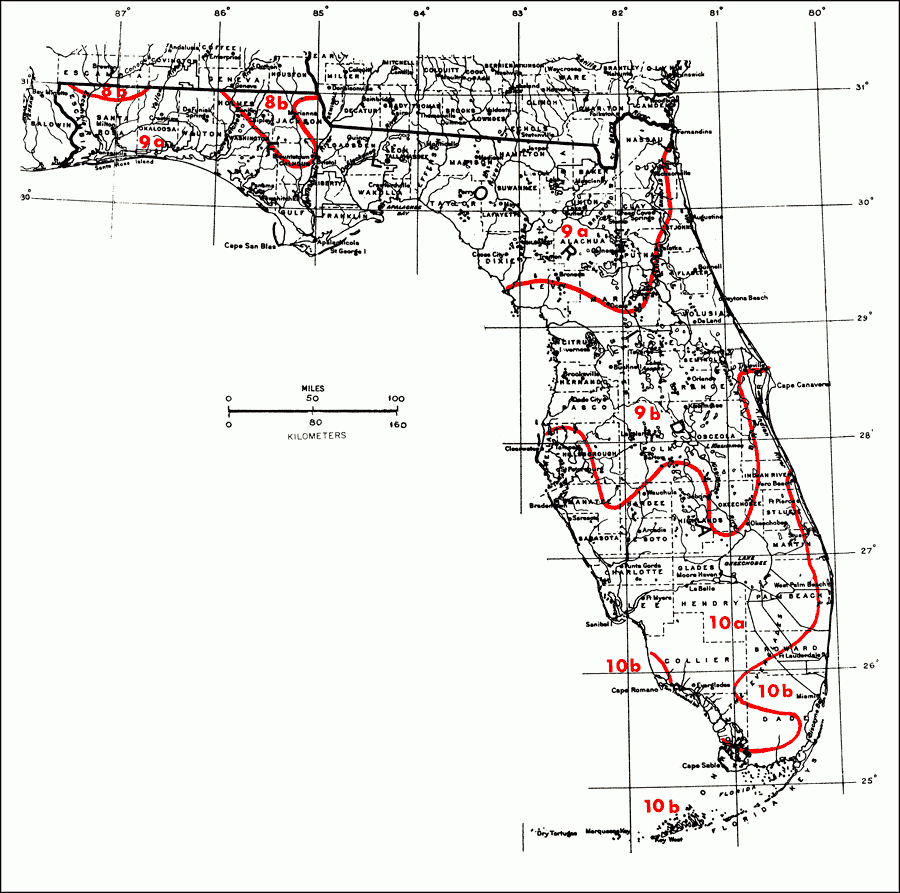
- Zone 9b: Encompassing the southernmost tip of Florida, this zone experiences an average annual minimum temperature of 35 to 40 degrees Fahrenheit. This region enjoys a near-tropical climate with minimal risk of frost.
- Zone 9a: Extending north from Zone 9b, this zone experiences an average annual minimum temperature of 30 to 35 degrees Fahrenheit. This region enjoys a subtropical climate with a slightly higher risk of frost compared to Zone 9b.
- Zone 8b: This zone includes the majority of central and southern Florida, experiencing an average annual minimum temperature of 25 to 30 degrees Fahrenheit. This region has a moderate risk of frost, with some occasional occurrences.
- Zone 8a: Covering the northern part of Florida, this zone experiences an average annual minimum temperature of 20 to 25 degrees Fahrenheit. This region has a higher risk of frost and is typically considered the northern limit for growing many tropical plants.
The Importance of Frost-Free Zones
Understanding the frost-free zone of a specific location is crucial for successful gardening and agriculture. It allows for informed decisions regarding:
- Plant Selection: Choosing plants that thrive within the specific frost-free zone ensures their survival and optimal growth.
- Planting Timing: Knowing the potential for frost allows for strategic planting times, minimizing the risk of damage to vulnerable plants.
- Frost Protection: Identifying areas prone to frost enables the implementation of protective measures like frost blankets or windbreaks to mitigate damage.
- Crop Planning: Understanding the frost-free zone helps farmers plan crop rotations and select suitable varieties for the region’s climate.
Frost-Free Zone Considerations
While the USDA Plant Hardiness Zone Map provides a general guideline, it’s essential to consider additional factors that can influence frost occurrence within Florida:
- Microclimates: Topography, elevation, and proximity to water bodies can create localized variations in temperature, impacting frost susceptibility.
- Specific Location: Even within the same zone, individual locations may experience varying frost risks due to site-specific conditions.
- Climate Change: Shifting weather patterns due to climate change can affect frost occurrence and necessitate adjustments in gardening and agricultural practices.
Exploring the Frost-Free Zone Map of Florida
The frost-free zone map of Florida is a valuable tool for understanding the nuances of plant growth across the state. It empowers individuals and organizations to make informed decisions regarding plant selection, planting schedules, and frost protection strategies.
Using the Frost-Free Zone Map Effectively:
- Identify Your Location: Pinpoint your exact location on the map to determine the corresponding frost-free zone.
- Consult Plant Hardiness Information: Refer to plant tags or online resources to identify the recommended frost-free zone for specific plant species.
- Adapt to Microclimates: Consider local factors like elevation and proximity to water bodies that might affect frost susceptibility.
- Stay Informed: Monitor weather forecasts and local climate information for updates on potential frost events.
- Embrace Frost Protection: Implement frost protection measures when necessary to safeguard vulnerable plants.
FAQs about Frost-Free Zones in Florida
1. What is the difference between a frost-free zone and a hardiness zone?
While often used interchangeably, there’s a subtle difference. A frost-free zone refers to the period of the year when temperatures remain above freezing. A hardiness zone indicates the average minimum winter temperature, which may include occasional frost events.
2. Can I grow tropical plants in all areas of Florida?
While Florida is known for its tropical climate, not all areas are suitable for all tropical plants. The northern parts of Florida experience a higher risk of frost, making them less suitable for delicate tropical species.
3. How can I protect my plants from frost?
Various frost protection methods exist, including:
- Frost blankets: Covering plants with blankets or sheets to insulate them from cold temperatures.
- Windbreaks: Using trees or shrubs to create a barrier against cold winds.
- Watering: Thoroughly watering plants before a frost can help protect them from freezing.
- Moving plants: Relocating potted plants to a protected area indoors or under a porch.
4. How does climate change affect frost-free zones in Florida?
Climate change is causing shifts in weather patterns, potentially altering the boundaries of frost-free zones. This could lead to an increase in frost events in areas previously considered frost-free.
5. Where can I find a detailed frost-free zone map of Florida?
The USDA Plant Hardiness Zone Map is a reliable resource for understanding frost-free zones. Additionally, local gardening clubs, nurseries, and agricultural extension offices can provide specific information for your region.
Tips for Utilizing Frost-Free Zone Information
- Research thoroughly: Before planting any species, research its recommended frost-free zone and compare it to your location.
- Embrace diversity: Consider planting a variety of plants with different frost tolerances to ensure a continuous garden throughout the year.
- Monitor weather patterns: Stay informed about potential frost events and adjust your gardening practices accordingly.
- Seek professional advice: If you have specific questions or concerns, consult with a local horticultural expert or agricultural extension office.
Conclusion
Understanding frost-free zones is paramount for successful gardening and agricultural endeavors in Florida. By utilizing the frost-free zone map and considering local factors, individuals and organizations can make informed decisions regarding plant selection, planting timing, and frost protection strategies. This knowledge empowers them to cultivate a thriving and vibrant landscape, taking full advantage of Florida’s unique climate and agricultural potential.
![Florida Plant Zones [With 7 Tips to Grow Plants in The Zone]](https://plantscraze.com/wp-content/uploads/2023/05/florida-plant-zones.png)

Closure
Thus, we hope this article has provided valuable insights into Understanding the Frost-Free Zones of Florida: A Guide to Growing Success. We appreciate your attention to our article. See you in our next article!