 By admin
 Navigating the Web: A Comprehensive Guide to the Spiderman Map
Related Articles: Navigating the Web: A Comprehensive Guide to the Spiderman Map
Introduction
With great pleasure, we will explore the intriguing topic related to Navigating the Web: A Comprehensive Guide to the Spiderman Map. Let’s weave interesting information and offer fresh perspectives to the readers.
Table of Content
Navigating the Web: A Comprehensive Guide to the Spiderman Map
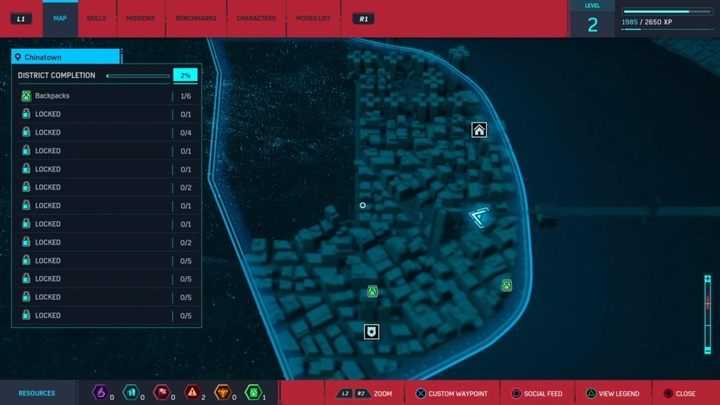
The Spiderman Map, a concept rooted in the world of web development and software engineering, offers a unique and powerful approach to visualizing and understanding complex software systems. While the name may evoke imagery of the iconic superhero swinging through a city, the map itself is a metaphorical representation of the interconnected web of components that make up a software application.
Understanding the Web: A Visual Representation of Software Architecture
Imagine a sprawling city, each building representing a different component of a software application. The streets connecting these buildings represent the relationships and dependencies between these components. The Spiderman Map, in this analogy, acts as a detailed street map, outlining the intricate network of connections within the city.
This visualization helps developers and stakeholders gain a clear understanding of:
- Components and their relationships: The map visually depicts the various components that constitute the software system, including databases, APIs, user interfaces, and other critical elements. It also showcases the dependencies between these components, indicating how they interact and rely on each other.
- Data flow and dependencies: The map illustrates the flow of data through the system, highlighting the pathways data travels from one component to another. This helps identify potential bottlenecks and areas for optimization.
- System architecture: By visualizing the interconnectedness of components, the map provides a clear picture of the overall system architecture. This allows for easier identification of potential vulnerabilities and areas for improvement.
Benefits of Utilizing the Spiderman Map
The Spiderman Map offers numerous benefits for developers, architects, and other stakeholders involved in software development:
- Enhanced Communication: The map provides a shared visual language, facilitating effective communication between developers, architects, and stakeholders. It enables them to understand the system’s structure and dependencies, fostering a common understanding of the software’s complexities.
- Improved Code Comprehension: The map serves as a roadmap for understanding the codebase, helping developers navigate through complex relationships and dependencies. This facilitates efficient code maintenance, debugging, and refactoring.
- Enhanced Collaboration: The map promotes collaboration by providing a visual representation of the system’s structure, enabling teams to work together more effectively on shared codebases.
- Risk Mitigation: The map helps identify potential risks and vulnerabilities within the system by showcasing the dependencies and data flow. This allows developers to proactively address potential issues and mitigate risks.
- Faster Development Cycles: The map facilitates faster development cycles by providing a clear understanding of the system’s structure and dependencies. This allows developers to make informed decisions about code changes and avoid introducing unintended consequences.
Creating a Spiderman Map: Tools and Techniques
Several tools and techniques can be used to create Spiderman Maps:
- Diagraming Software: Popular tools like Lucidchart, draw.io, and Miro offer user-friendly interfaces for creating professional-looking diagrams. These tools allow users to create custom shapes, connectors, and annotations to represent various components and relationships.
- Code Analysis Tools: Tools like SonarQube and JDepend can analyze source code and generate visualizations based on dependencies and relationships identified within the codebase. These tools automate the process of creating a map based on existing code.
- Manual Mapping: While time-consuming, manually creating a map can be beneficial for smaller projects or when specific details need to be highlighted. This involves carefully documenting the components, relationships, and data flow through the system.
FAQs on Spiderman Maps
Q: What are the limitations of Spiderman Maps?
A: While powerful, Spiderman Maps can become complex for large and intricate systems. They may not always capture all the nuances of a system’s functionality, particularly dynamic aspects or complex interactions.
Q: How often should Spiderman Maps be updated?
A: Updating the map is crucial as the system evolves. Regular updates ensure the map accurately reflects the current state of the software and its dependencies. The frequency of updates should be determined based on the project’s complexity and the rate of change in the system.
Q: Can Spiderman Maps be used for different types of software?
A: Yes, Spiderman Maps are applicable to various software systems, including web applications, mobile apps, and even backend services. The map can be customized to represent the specific architecture and components of each system.
Tips for Effective Spiderman Map Creation
- Start with a clear objective: Define the purpose of the map and the information it should convey.
- Focus on key components and relationships: Prioritize the most critical elements of the system and their dependencies.
- Use clear and concise labels: Ensure the map is easy to understand by using descriptive labels for components and relationships.
- Maintain consistency: Use consistent colors, shapes, and symbols throughout the map for better readability and understanding.
- Regularly review and update: Keep the map current by updating it as the system evolves to ensure its accuracy and relevance.
Conclusion
The Spiderman Map is a valuable tool for understanding and navigating the complexities of software systems. By visually representing the interconnected web of components, it facilitates communication, improves code comprehension, and promotes collaboration. While not a silver bullet, it offers a powerful approach to managing the intricacies of software development, enabling developers and stakeholders to effectively understand, analyze, and optimize software systems.

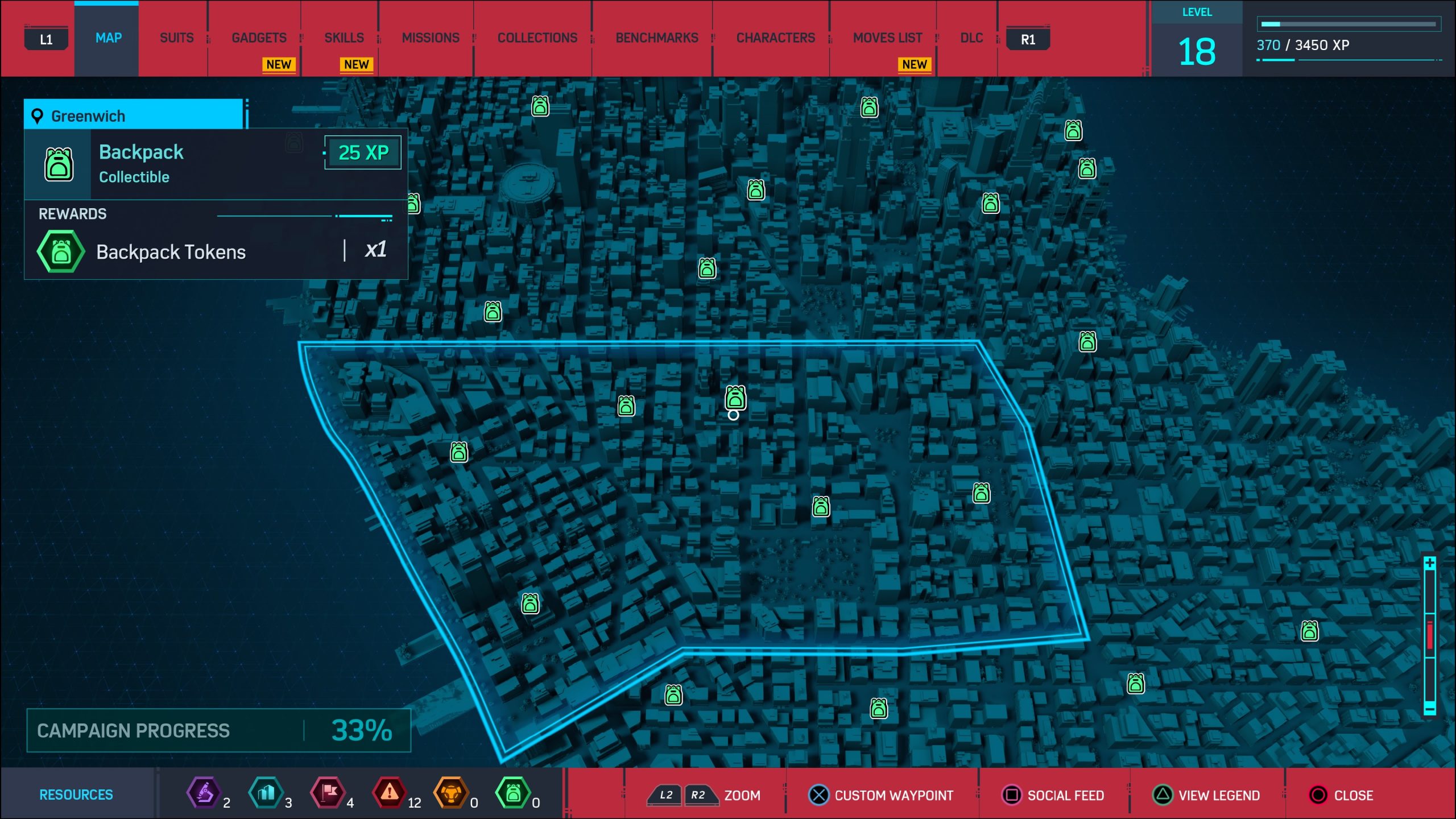
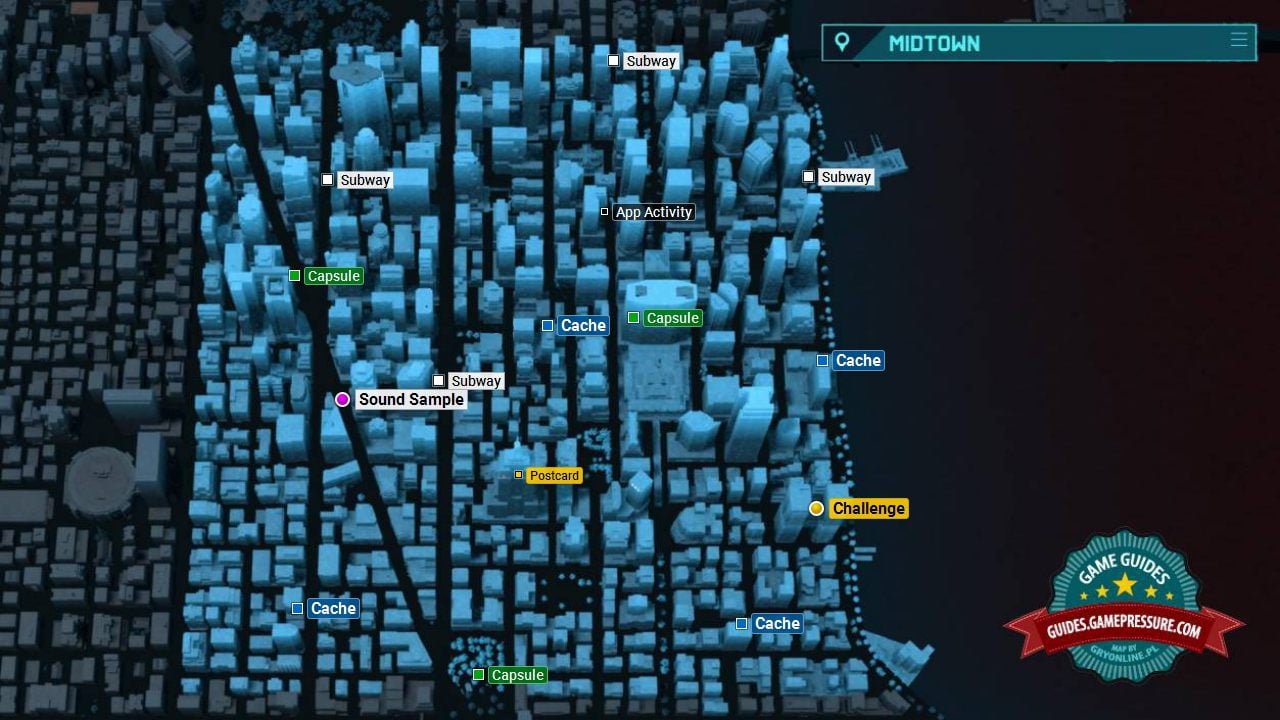


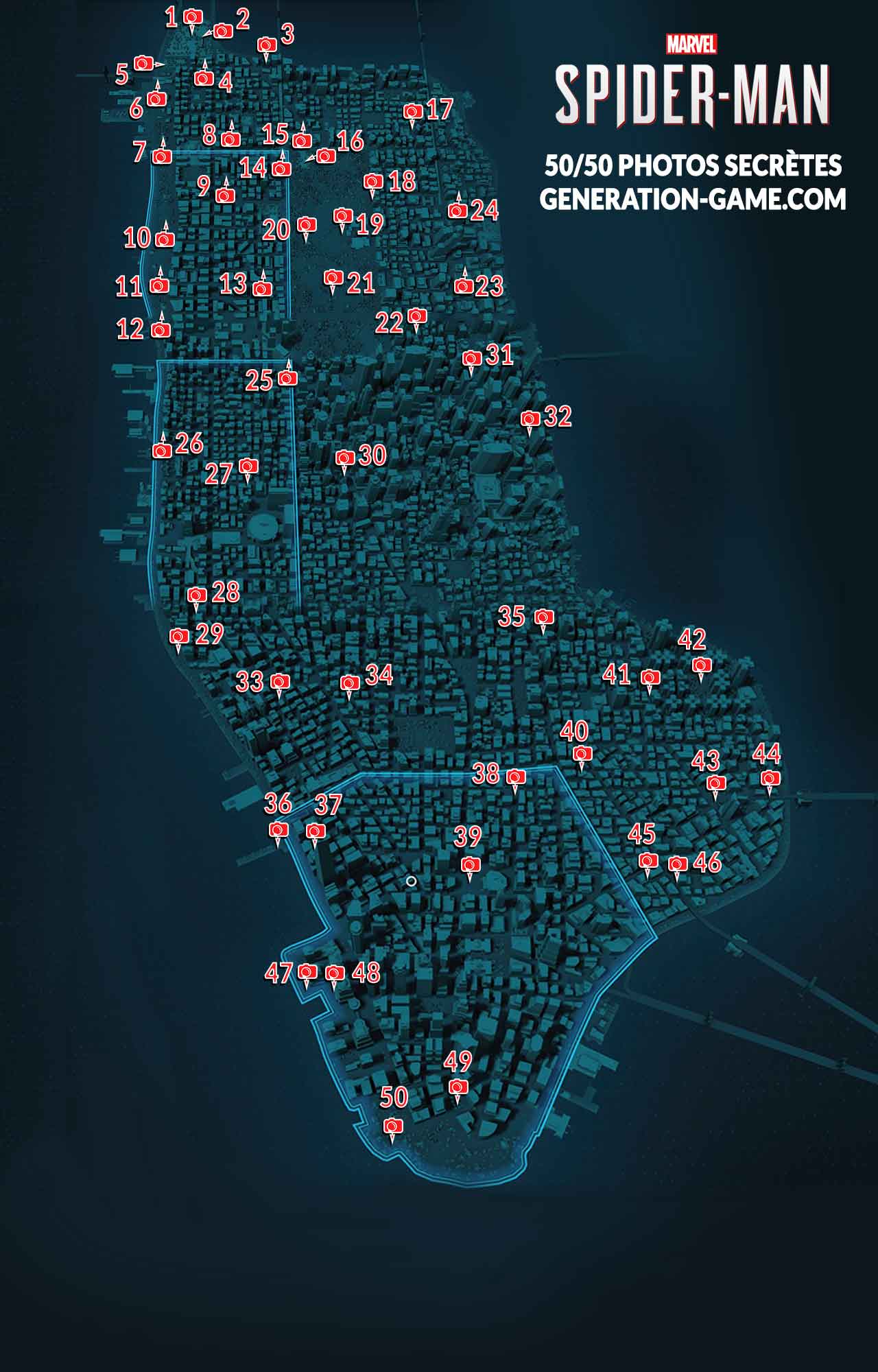

Closure
Thus, we hope this article has provided valuable insights into Navigating the Web: A Comprehensive Guide to the Spiderman Map. We hope you find this article informative and beneficial. See you in our next article!