 By admin
 Navigating the Waters: Understanding Flood Maps and Their Crucial Role in Mitigation and Resilience
Related Articles: Navigating the Waters: Understanding Flood Maps and Their Crucial Role in Mitigation and Resilience
Introduction
With great pleasure, we will explore the intriguing topic related to Navigating the Waters: Understanding Flood Maps and Their Crucial Role in Mitigation and Resilience. Let’s weave interesting information and offer fresh perspectives to the readers.
Table of Content
Navigating the Waters: Understanding Flood Maps and Their Crucial Role in Mitigation and Resilience
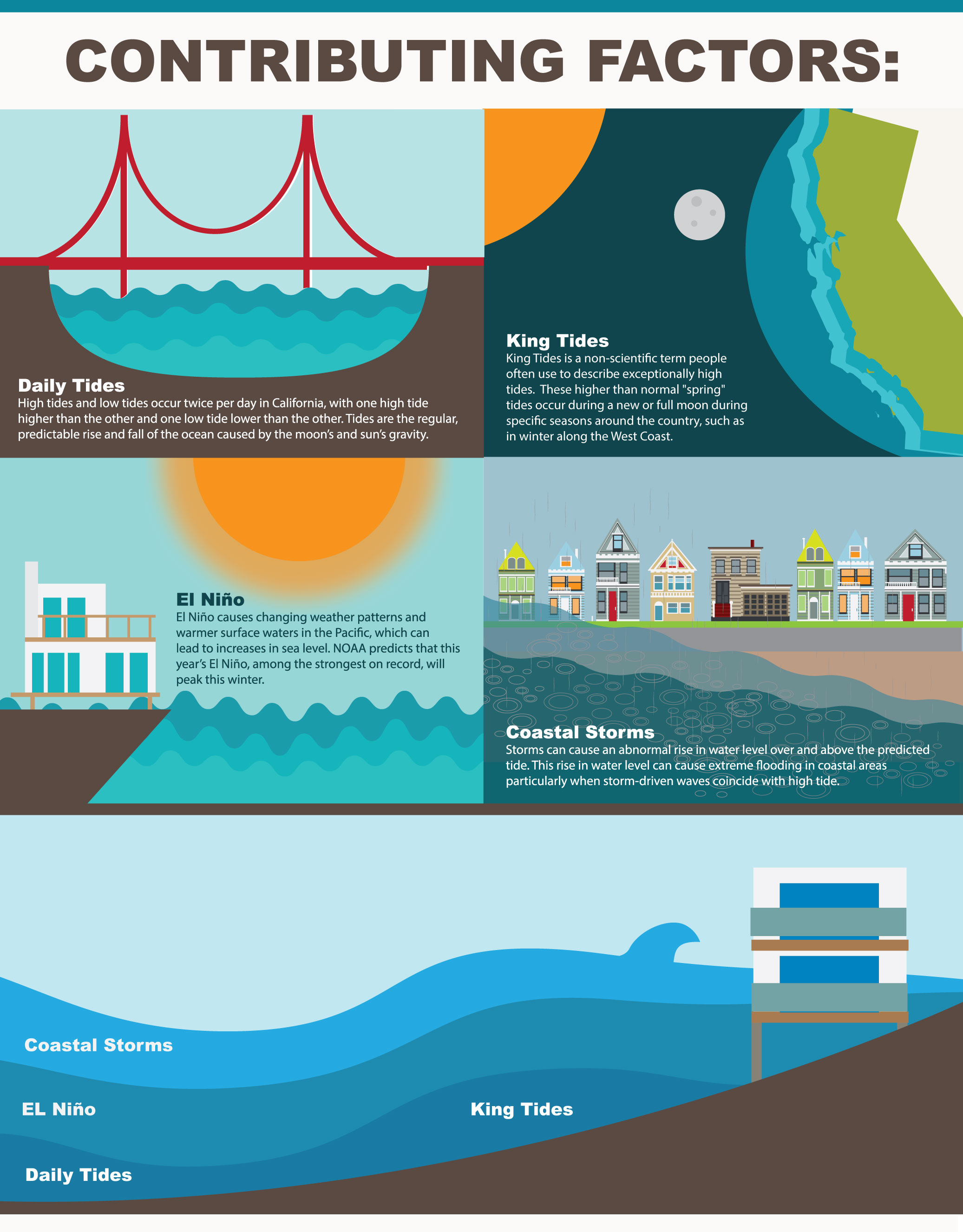
Flood maps, often overlooked until disaster strikes, play a vital role in shaping our understanding of flood risk and informing crucial decisions for mitigation and resilience. These maps, meticulously crafted through a blend of scientific data, historical records, and advanced modeling techniques, provide a visual representation of areas susceptible to flooding. They serve as essential tools for policymakers, planners, and individuals alike, enabling informed decisions that can safeguard lives, property, and infrastructure.
Deciphering the Layers: A Look at Flood Map Components
Flood maps are not simply static illustrations; they are complex and layered datasets that provide a wealth of information. Understanding their components is crucial for interpreting their significance:
- Flood Zones: These are the most recognizable feature of flood maps, delineating areas with varying levels of flood risk. They are typically categorized by flood frequency, such as 100-year floodplains, indicating areas likely to experience a flood with a 1% chance in any given year.
- Base Flood Elevations (BFEs): These represent the estimated height of a flood event, often used to determine building requirements and elevation standards within flood zones.
- Floodway: This specific area within a floodplain is crucial for allowing floodwaters to flow unimpeded, minimizing damage and ensuring efficient drainage.
- Flood Hazard Areas: These areas may not necessarily fall within designated floodplains but are still susceptible to flooding due to factors like storm surge, coastal erosion, or dam failures.
Beyond the Lines: The Significance of Flood Maps
The value of flood maps extends beyond their visual representation. They serve as critical tools for:
- Risk Assessment: By identifying areas prone to flooding, maps enable comprehensive risk assessments, allowing individuals, communities, and governments to understand the potential consequences of flood events.
- Land Use Planning: Flood maps are indispensable for guiding land use decisions, preventing development in high-risk areas and promoting sustainable practices that minimize flood vulnerability.
- Infrastructure Design: Engineers and architects rely on flood maps to design structures that can withstand flood events, ensuring the safety and resilience of critical infrastructure.
- Insurance and Finance: Flood maps inform insurance premiums, enabling individuals to understand their potential financial exposure to flood risks and facilitating responsible financial planning.
- Emergency Response: In the event of a flood, maps provide crucial guidance for emergency responders, enabling efficient evacuation routes, resource allocation, and search and rescue operations.
Navigating the Digital Landscape: The Evolution of Flood Mapping
The field of flood mapping is constantly evolving, incorporating advancements in technology and data analysis. Online platforms and interactive maps are increasingly accessible, empowering individuals to explore flood risk information in their specific locations. These platforms often provide additional features, including:
- Historical Flood Data: Visualization of past flood events, providing insights into flood patterns and magnitudes.
- Real-time Flood Monitoring: Integration with real-time weather data and sensor networks to provide up-to-date flood information.
- Scenario Modeling: Simulation of various flood scenarios, allowing users to assess the potential impact of different flood events.
Frequently Asked Questions
Q: What are the different types of flood maps?
A: Flood maps can be categorized based on their purpose and scope.
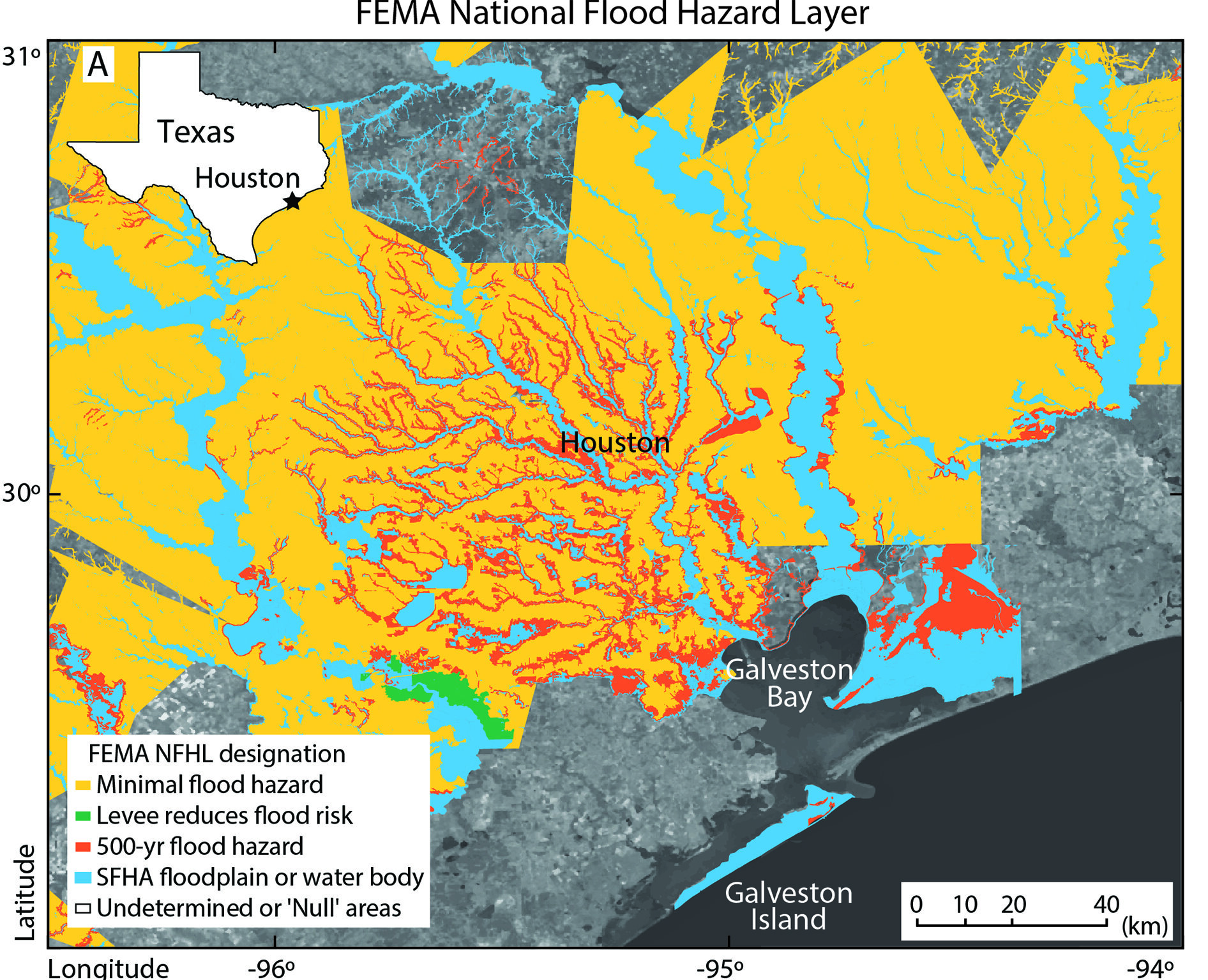
- FEMA Flood Maps: These are the most widely recognized maps in the United States, produced by the Federal Emergency Management Agency (FEMA) for flood insurance purposes.
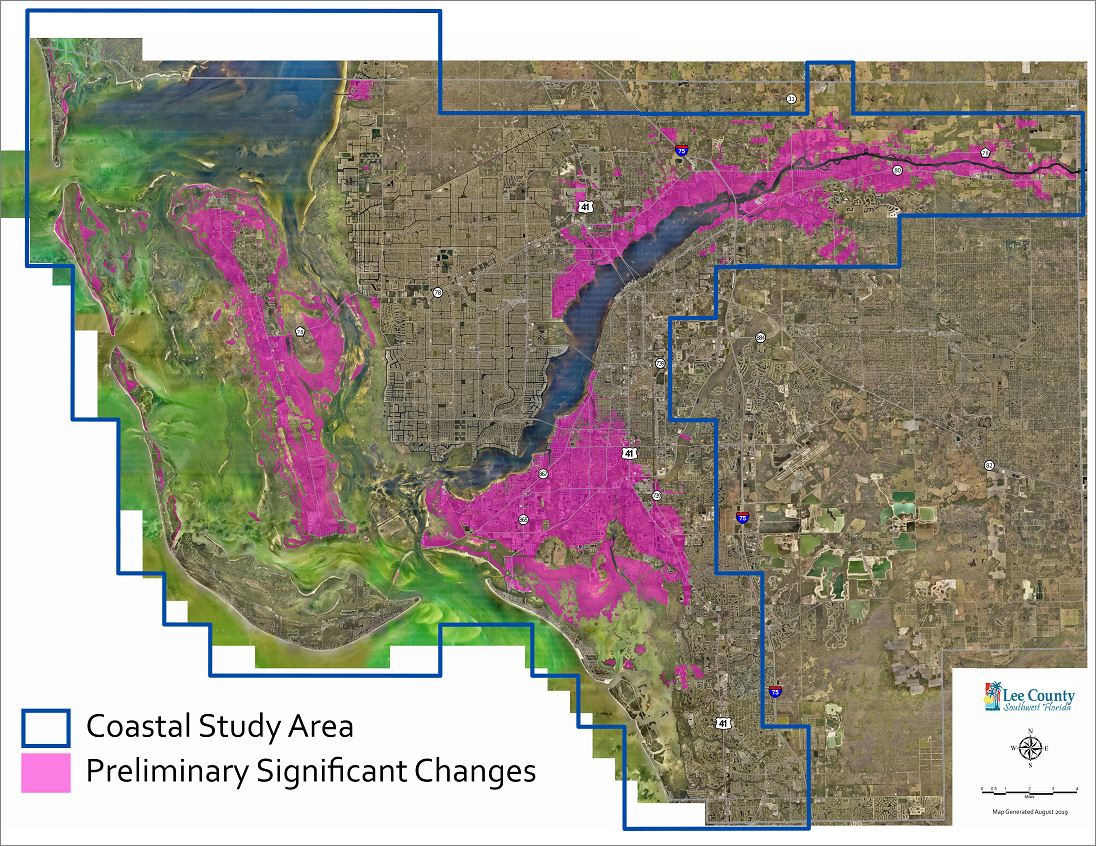
- Regional Flood Maps: These maps are produced by various agencies, including state and local governments, covering specific regions or watersheds.
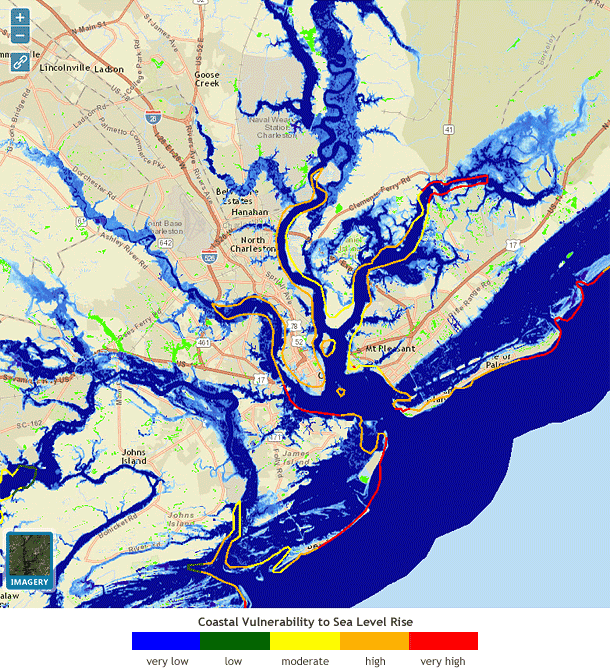
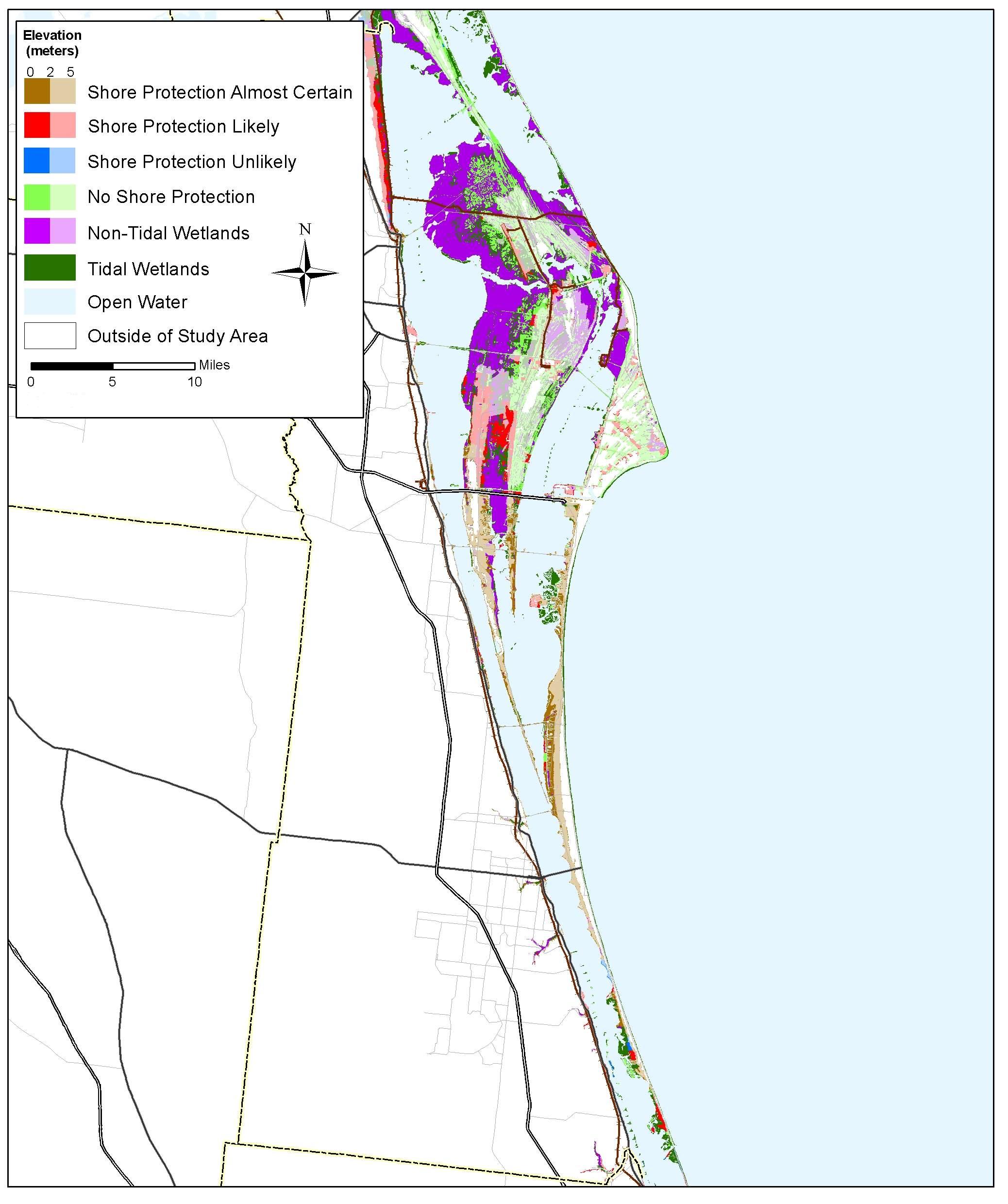
- Coastal Flood Maps: These maps focus on areas vulnerable to coastal flooding, including storm surge and sea-level rise.
Q: How accurate are flood maps?
A: Flood maps are developed using the best available data and modeling techniques. However, they are not perfect and can be influenced by various factors, including data limitations, modeling assumptions, and changing environmental conditions. It is crucial to understand that flood maps provide estimates, not guarantees, of flood risk.
Q: How do I find flood map information for my area?
A: Accessing flood map information is becoming increasingly convenient.
- FEMA Flood Map Service Center: This website provides access to FEMA flood maps for the United States.
- National Flood Hazard Layer (NFHL): This online platform offers interactive flood hazard maps for the entire country.
- Local Government Websites: Many local governments maintain their own flood maps and resources.
Tips for Utilizing Flood Maps
- Understand the limitations: Remember that flood maps are tools, not guarantees. They provide estimates of flood risk based on current data and modeling.
- Consult with experts: If you have concerns about flood risk, consult with local planning departments, engineers, or insurance agents for professional guidance.
- Stay informed: Keep up-to-date on flood warnings and advisories issued by local authorities.
- Prepare for potential flooding: Develop a flood preparedness plan, including evacuation routes, emergency supplies, and communication strategies.
Conclusion
Flood maps are vital tools for building resilience and mitigating flood risks. By understanding their components, significance, and evolving nature, individuals, communities, and governments can make informed decisions to protect lives, property, and infrastructure from the devastating impacts of flooding. As climate change intensifies and flood events become more frequent and severe, the importance of flood maps will only continue to grow. By embracing these tools and actively engaging in flood mitigation efforts, we can create a future where communities are better prepared to face the challenges posed by rising waters.


Closure
Thus, we hope this article has provided valuable insights into Navigating the Waters: Understanding Flood Maps and Their Crucial Role in Mitigation and Resilience. We hope you find this article informative and beneficial. See you in our next article!