 By admin
 Navigating the Underground: An Exploration of Houston’s Downtown Tunnel System
Related Articles: Navigating the Underground: An Exploration of Houston’s Downtown Tunnel System
Introduction
In this auspicious occasion, we are delighted to delve into the intriguing topic related to Navigating the Underground: An Exploration of Houston’s Downtown Tunnel System. Let’s weave interesting information and offer fresh perspectives to the readers.
Table of Content
Navigating the Underground: An Exploration of Houston’s Downtown Tunnel System
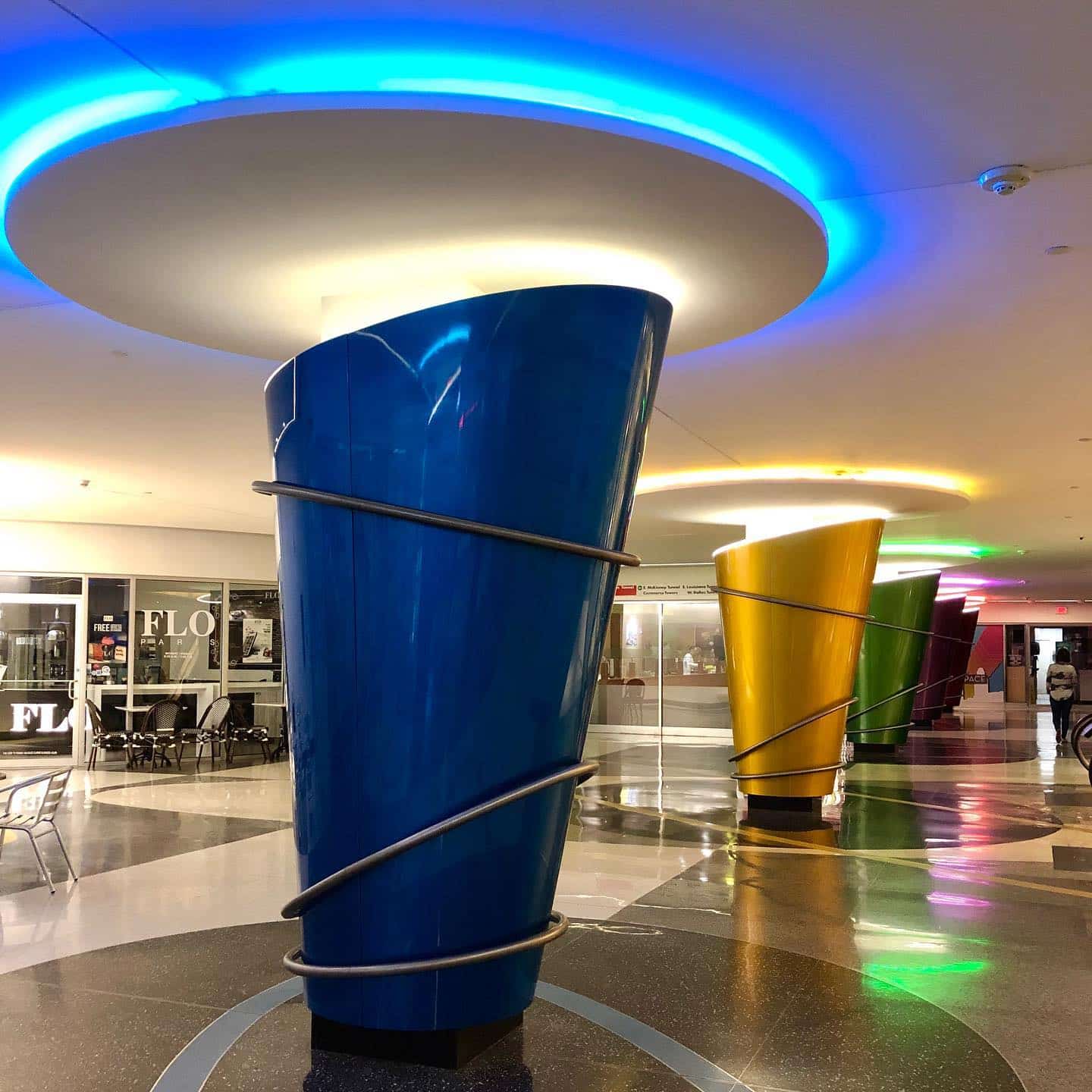
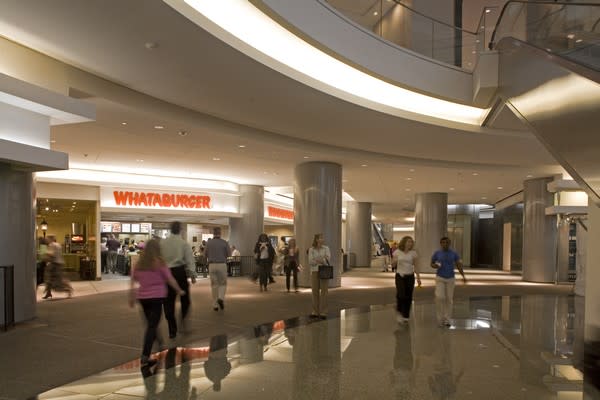
Houston, a sprawling metropolis with a humid subtropical climate, boasts a unique and often overlooked feature: its extensive network of underground tunnels. This subterranean labyrinth, known as the Downtown Tunnel System, connects numerous buildings in the heart of the city, providing a climate-controlled and convenient means of traversing the urban landscape.
A Brief History of the Tunnels:
The concept of an underground pedestrian network in Houston emerged in the 1970s as a response to the city’s growing population and increasing traffic congestion. The first tunnel, connecting the One Shell Plaza building to the Pennzoil Place building, opened in 1974. Over the following decades, the system expanded, weaving its way through the city’s central business district. Today, the Downtown Tunnel System encompasses over six miles of interconnected tunnels, connecting over 90 buildings, including major office towers, hotels, shopping centers, and even the George R. Brown Convention Center.
The Structure and Function of the Tunnels:
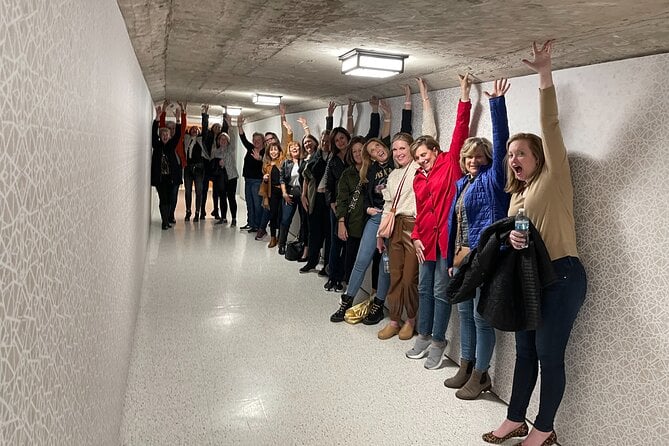
The Downtown Tunnel System is a complex network of interconnected corridors, spanning multiple levels and varying in size and design. Most tunnels are wide enough to accommodate pedestrian traffic and are equipped with lighting, ventilation, and security cameras. The system is accessible through numerous entrances located within participating buildings.
The tunnels serve a multifaceted purpose, offering a range of benefits:
- Climate Control: The tunnels provide a refuge from the often extreme Houston weather, offering a cool and dry environment during the sweltering summer months and a protected space from inclement weather during the winter.
- Pedestrian Safety: The tunnels offer a safe and secure alternative to walking on busy city streets, particularly during inclement weather or late hours.
- Enhanced Connectivity: The tunnels facilitate efficient movement between buildings, reducing the need for outdoor travel and facilitating quick and easy access to various amenities and services.
- Economic Stimulation: The tunnels encourage foot traffic and promote business activity within the connected buildings, contributing to the overall economic vitality of the downtown area.
Navigating the Tunnels:
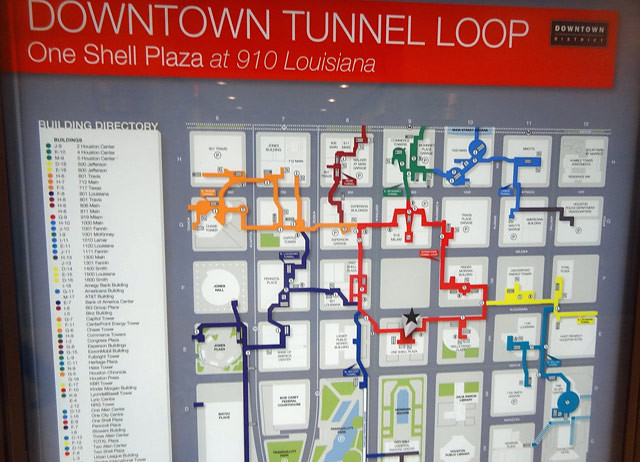
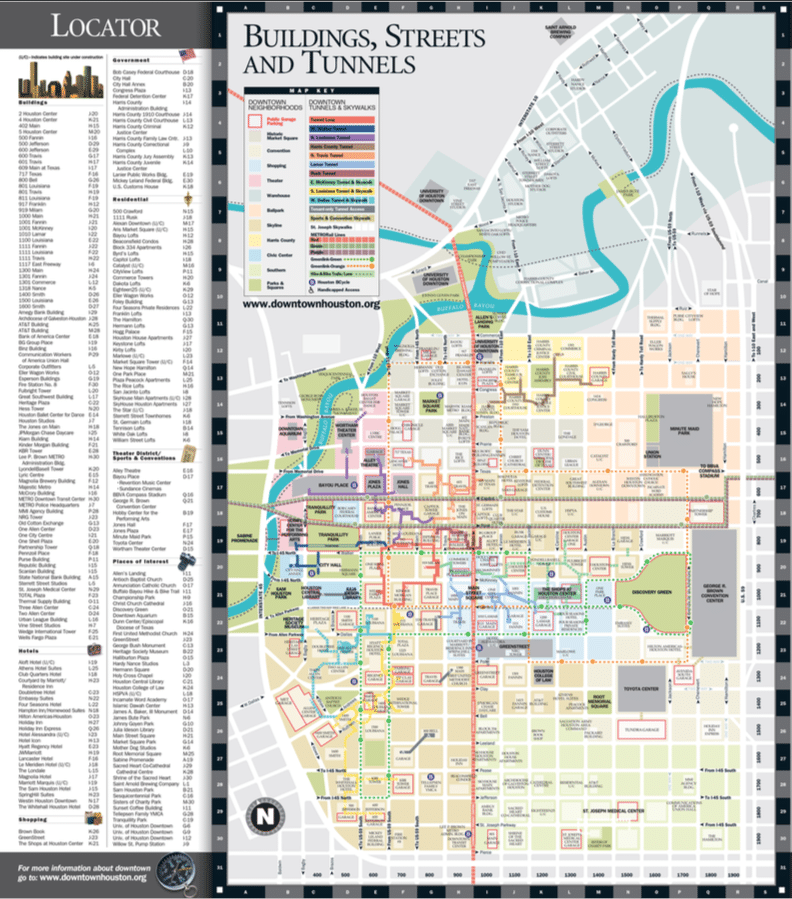
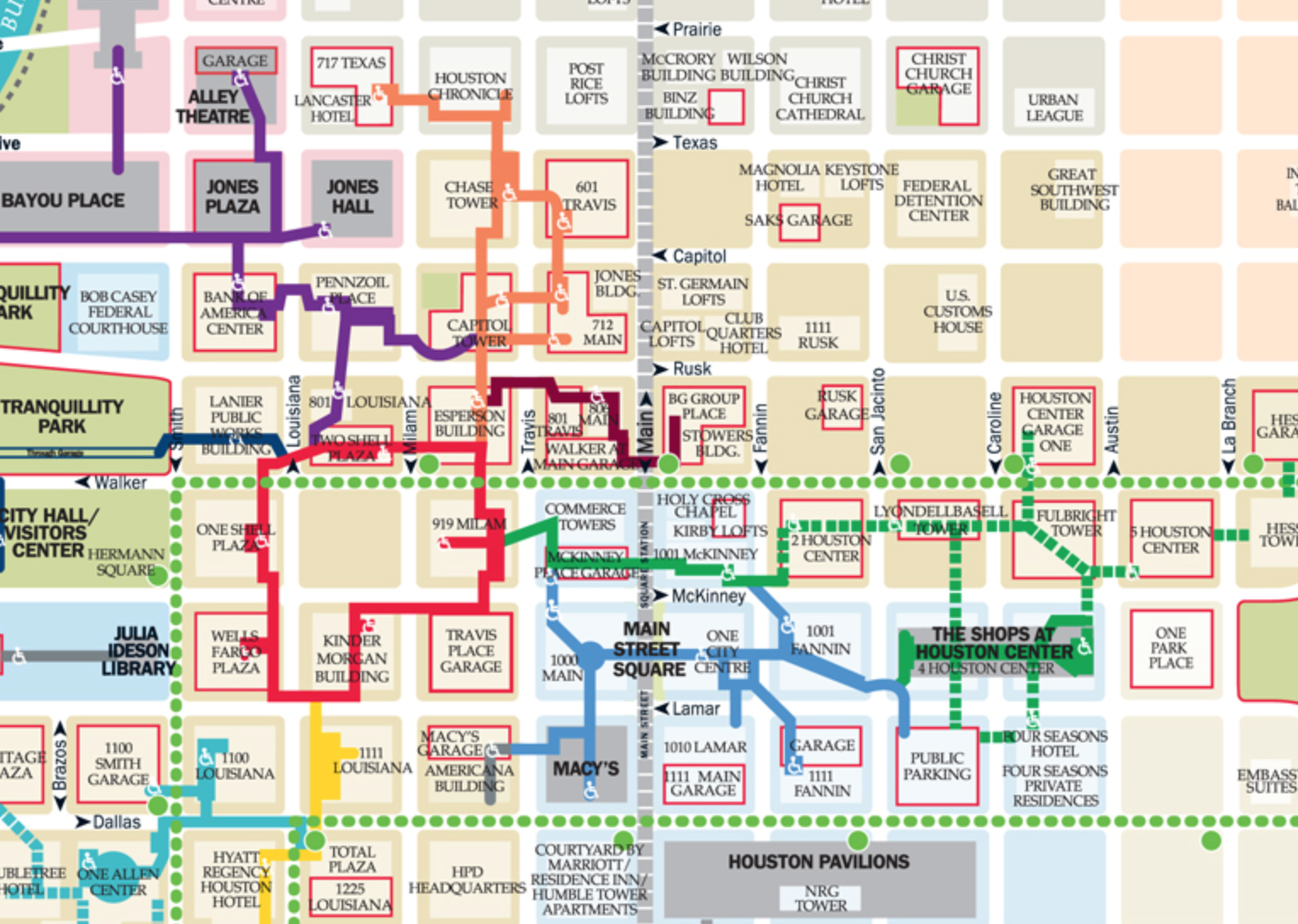
Navigating the Downtown Tunnel System requires a degree of familiarity. While maps are available online and within the tunnels themselves, it can be challenging to orient oneself within the labyrinthine network.
Tips for Navigating the Downtown Tunnels:
- Utilize available maps: Familiarize yourself with the tunnel system layout before embarking on your journey.
- Pay attention to signage: The tunnels are well-marked with directional signage and building identifiers.
- Use the tunnel directory: Located at various points within the system, the directory provides a comprehensive listing of connected buildings.
- Ask for assistance: If you are unsure of your location or destination, do not hesitate to ask a security guard or fellow traveler for assistance.
Frequently Asked Questions:
- Is the Downtown Tunnel System accessible to everyone? The tunnels are generally accessible to the public, with some sections designated for specific building tenants.
- Are there security measures in place within the tunnels? The tunnels are equipped with security cameras, lighting, and regular patrols by security personnel.
- Are there any fees associated with using the tunnels? Access to the Downtown Tunnel System is generally free of charge, although some individual buildings may impose access restrictions.
- Are there any rules or regulations regarding the use of the tunnels? General rules include refraining from running, skateboarding, and consuming food or beverages.
- Is the Downtown Tunnel System open 24 hours a day? The operating hours of the tunnels vary depending on the participating buildings, with most closing during late evening hours.
The Importance of the Downtown Tunnel System:
The Downtown Tunnel System plays a crucial role in the functionality and vibrancy of Houston’s central business district. It provides a unique and valuable infrastructure, facilitating efficient movement, enhancing safety, and contributing to the overall economic well-being of the city. The tunnels stand as a testament to the city’s innovative approach to urban planning and its commitment to providing a comfortable and convenient experience for its residents and visitors.
Conclusion:
Houston’s Downtown Tunnel System represents a unique and often overlooked aspect of the city’s urban landscape. This underground network provides a multitude of benefits, including climate control, pedestrian safety, enhanced connectivity, and economic stimulation. As Houston continues to grow and evolve, the Downtown Tunnel System will undoubtedly play an increasingly important role in shaping the city’s future.


Closure
Thus, we hope this article has provided valuable insights into Navigating the Underground: An Exploration of Houston’s Downtown Tunnel System. We hope you find this article informative and beneficial. See you in our next article!