 By admin
 Charting New Territories: A Comprehensive Guide to Online Map Creators
Related Articles: Charting New Territories: A Comprehensive Guide to Online Map Creators
Introduction
With great pleasure, we will explore the intriguing topic related to Charting New Territories: A Comprehensive Guide to Online Map Creators. Let’s weave interesting information and offer fresh perspectives to the readers.
Table of Content
Charting New Territories: A Comprehensive Guide to Online Map Creators
The digital landscape has revolutionized the way we interact with the world, and nowhere is this more evident than in the realm of cartography. Gone are the days of cumbersome paper maps and intricate hand-drawn charts. Online map creators have emerged as powerful tools, empowering individuals and organizations to visualize, analyze, and share spatial data with unprecedented ease.
Unveiling the Power of Online Map Creators
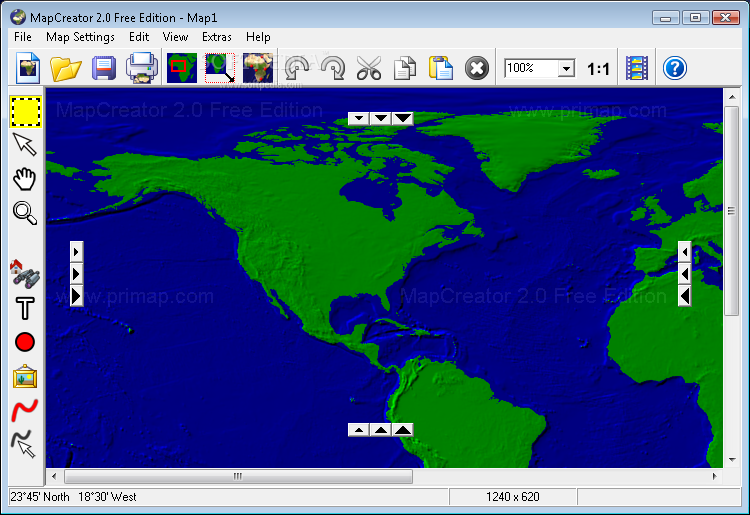
Online map creators are web-based platforms that allow users to create, edit, and share maps without the need for specialized software or technical expertise. These tools offer a diverse range of functionalities, catering to a wide spectrum of users, from casual map enthusiasts to professional cartographers.
Core Features and Capabilities
At the heart of every online map creator lies a robust set of features that empower users to transform data into meaningful visualizations:
- Base Maps: Most platforms offer a selection of base maps, including satellite imagery, topographic maps, and road maps, providing a foundational layer for map creation.
- Data Layers: Users can overlay data layers, such as points, lines, polygons, and heatmaps, onto base maps to represent diverse information, including locations, routes, population density, and environmental data.
- Customization: Map creators provide extensive customization options, allowing users to personalize map styles, colors, legends, and labels to enhance clarity and visual appeal.
- Interactive Elements: Many platforms support interactive elements, such as pop-up windows, tooltips, and hyperlinks, enabling users to provide additional context and information within the map.
- Collaboration: Collaboration features allow multiple users to work together on a map, facilitating team projects and fostering shared knowledge.
- Sharing and Embedding: Maps can be easily shared through links, embedded into websites, or exported in various formats, ensuring accessibility and wide distribution.
Benefits of Online Map Creators
The rise of online map creators has ushered in a new era of spatial data visualization, offering numerous benefits for individuals, businesses, and organizations:
- Enhanced Communication: Maps provide a powerful visual language, enabling clear and concise communication of spatial information, making complex data readily understandable.
- Data Exploration and Analysis: Online map creators facilitate the exploration and analysis of spatial data, revealing patterns, trends, and insights that might remain hidden in raw data.
- Decision-Making Support: Visualizing data on a map provides valuable context for informed decision-making, particularly in fields such as urban planning, resource management, and disaster response.
- Increased Accessibility: Online map creators democratize map creation, making it accessible to anyone with an internet connection, regardless of technical skills or financial resources.
- Cost-Effectiveness: Online platforms offer a cost-effective alternative to expensive software and hardware, making map creation accessible to individuals and small businesses.
- Innovation and Creativity: The ease of use and flexibility of online map creators encourage innovation and creativity, allowing users to explore new ways of representing and interacting with spatial data.
Types of Online Map Creators
Online map creators cater to diverse needs and skill levels, ranging from user-friendly platforms for casual map enthusiasts to advanced tools for professional cartographers. Here are some common types:
- General-Purpose Map Creators: These platforms offer a comprehensive suite of features for creating maps for various purposes, including personal use, education, and business applications. Popular examples include Google My Maps, Leaflet, and Mapbox Studio.
- Specialized Map Creators: These platforms focus on specific applications or industries, providing specialized features and tools tailored to their target audience. Examples include ArcGIS Online for GIS professionals, CartoDB for data analysis, and Mapillary for street-level imagery.
- Interactive Map Creators: These platforms prioritize interactive elements, allowing users to create maps with dynamic features, such as clickable points, pop-up windows, and embedded videos. Examples include StoryMaps, Flourish, and Mapbox GL JS.
Choosing the Right Online Map Creator
Selecting the appropriate online map creator depends on individual needs and requirements. Here are some key considerations:
- Purpose: Determine the primary purpose of the map, whether it’s for personal use, education, business, or research.
- Features: Identify the essential features required, such as base maps, data layers, customization options, and sharing capabilities.
- Ease of Use: Consider the platform’s user interface and learning curve, ensuring it aligns with your technical skills and comfort level.
- Pricing: Explore pricing models, including free trials, subscription plans, and pay-per-use options, to find a solution that fits your budget.
- Support: Assess the availability of support resources, such as tutorials, documentation, and customer service, to ensure you have assistance when needed.
FAQs about Online Map Creators
Q: Are online map creators free to use?
A: Many online map creators offer free plans with limited features, while others require paid subscriptions for access to advanced functionalities.
Q: What types of data can I use with online map creators?
A: Online map creators support various data formats, including CSV, GeoJSON, KML, and Shapefiles, allowing you to import and visualize data from diverse sources.
Q: Can I create maps for offline use?
A: Some platforms allow you to export maps in formats suitable for offline use, such as PDF, PNG, or SVG.
Q: How can I ensure the accuracy of my maps?
A: It’s crucial to use reliable data sources and verify the accuracy of your maps before sharing them.
Q: What are some tips for creating effective maps?
A: Consider using clear and concise labels, choosing appropriate colors and symbols, and maintaining a balanced visual hierarchy to enhance map readability.
Tips for Effective Map Creation
- Plan Your Map: Define the purpose and target audience before beginning map creation.
- Choose the Right Data: Select relevant and accurate data sources to ensure map accuracy.
- Design for Clarity: Use clear labels, legible fonts, and contrasting colors to enhance readability.
- Maintain Visual Hierarchy: Prioritize important information through size, color, and placement of map elements.
- Test and Iterate: Preview and test your map to identify areas for improvement and refine your design.
Conclusion
Online map creators have revolutionized the way we interact with spatial data, empowering individuals and organizations to visualize, analyze, and share geographical information with unprecedented ease. These platforms offer a diverse range of functionalities, catering to diverse needs and skill levels, making map creation accessible to anyone with an internet connection. By leveraging the power of online map creators, we can unlock the potential of spatial data, fostering informed decision-making, promoting innovation, and enhancing our understanding of the world around us.


Closure
Thus, we hope this article has provided valuable insights into Charting New Territories: A Comprehensive Guide to Online Map Creators. We thank you for taking the time to read this article. See you in our next article!